

When it comes to maximising security, many homeowners overlook the vulnerability of their windows. They are one of the most common entry points for potential intruders, making your choice of window vital to keeping your home safe.
Tilt and turn or casement windows are generally considered the best choice, with their strong seals and multi-point locking mechanisms. Pairing either window design with polycarbonate or laminated glass can give your home additional protection against intruders. Lockable handles, with premium-grade security screens or security-glazing film, can further reduce vulnerability.
What Makes a Residential Window Secure?
A secure window is typically made up of the following key factors:
- Defence against forced entry – A secure window will have a strong resistance to forced entry. This is usually dependent on the strength of the frame joints, the quality of the locking hardware and how securely the sash sits within the frame. Within Australia, windows that are rated to the Australian Standard AS 5039 have been independently tested against forced entry, verifying their resistance to break-in attempts.
- Impact-resistant glazing – Secure windows should have a resistance to glass breakage, with the type and thickness of the glass having a significant bearing on how much impact they can withstand. Thicker and more specialised types of glass will be substantially harder to break, acting as an extra deterrent against burglars.
- High-performance locks – Even a lock that functions correctly can fail when significant force is applied. A highly secure window often has a multi-point locking system that engages the window frame at several points. This distributes the pressure more effectively and is significantly harder to overcome than a standard single latch.
- Durable frame construction – The frame provides the structural support that holds all parts of your window together, with tough and durable framing helping to strengthen your glass and locking hardware. uPVC and aluminium frames are two of the best options that offer impressive structural integrity and can resist warping over time. This makes them a more reliable option than timber frames, which are susceptible to swell, rot or shrink if not properly maintained.
- Professional installation – Ensuring you receive a professional installation from a reputable installer will maximise your window’s security. Even the most highly secure window may have specific vulnerabilities when not installed correctly. This could be gaps in the frame, inadequate fixings or misaligned locks that can be exploited. Choose a licensed installer, such as the team at Windows For Life, for a secure window.
Which Window Type Is Most Secure?
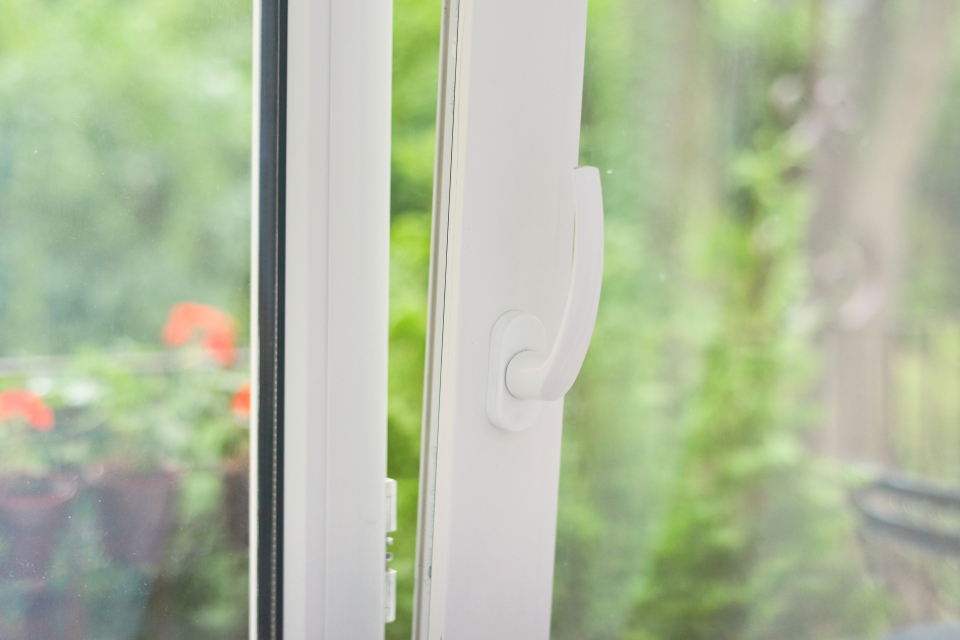
- Tilt and turn windows – Tilt and turn windows are one of the most secure window styles available to homeowners. They offer two opening modes: tilting inward from the top, or swinging fully open from the side like a door. Because they are designed with multi-point locking systems as a standard feature that engages the frame at several points simultaneously, they are highly resistant to forced entry. This combination of versatility and robust locking performance makes them a strong choice for homeowners looking to prioritise security.
- Casement windows – Casement windows are hinged on one side and open outward using a crank handle, with the sash pressed firmly against the frame seal when closed. When combined with a multi-point locking system, this compressed fit makes it one of the most secure window types for residential homes. The added benefit of the outward-opening design is that the hinges are all located inside the frame, eliminating an easy point of attack for potential intruders.
- Awning windows – Awning windows are hinged at the top, allowing the bottom of the sash to extend outwards. Because the window is designed with the sash pushing out against the frame when closed, it creates a tight seal and strong resistance to forced entry. They can be a practical choice for homeowners, because they allow for airflow and ventilation without leaving the interior of your home exposed.
- Fixed windows – A fixed window operates exactly as the name suggests; they are fixed and cannot be opened, naturally making them one of the most secure window types available. With no moving parts, locks or hinges to exploit, they eliminate many of the mechanical weaknesses that an intruder could exploit. The strength of a fixed window depends largely on the type of glass and choice of glazing, which represent the only major vulnerability.
- Sliding windows – Sliding windows are composed of two or more rectangular panels that slide horizontally along a track to open or close, and are a popular choice for Australian homes. They can be a secure choice; however, the choice of locking system and track fit is critical to their effectiveness. We recommend choosing a lock that actively engages with the frame and isn’t a basic latch. Also, prioritise a tight track fit that limits panel play, as a sloppy track fit can make prying easier for intruders. Older sliding windows can be vulnerable to being lifted out of their tracks, so make sure you prioritise a modern, well-fitted system for maximum security.
Which Glass Type Is Most Secure?
- Polycarbonate glazing – If you’re looking for maximum security, polycarbonate glazing is one of the strongest options available, as it is around 250 times stronger than standard glass. It’s made from a high-performance thermoplastic polymer that can withstand a significant impact without shattering, making it extremely difficult to break through. While polycarbonate is generally more expensive than standard glass, it has exceptional strength and durability that make it a worthwhile investment for households looking to maximise home security.
- Laminated glass – Laminated glass, also known as “safety glass,” consists of multiple glass panels that are bonded together by a strong, transparent interlayer, usually of polyvinyl butyral (PVB). This interlayer keeps the two panels connected even when broken, which helps to prevent the glass from breaking up into little pieces. Because of its layered structure, laminated glass will help to absorb impacts more effectively than double-glazing and is more resistant to breakage. While it’s not as strong as polycarbonate glazing, it’s still an incredibly popular option for residential windows looking for a durable glass solution.
- Toughened (tempered) glass – Also known as tempered glass, toughened glass is standard glass that has been tempered with a controlled heat-treatment process. The glass is heated and then rapidly cooled to significantly increase its strength by creating internal tension, making it much more resistant to breakage than standard glass. Toughened glass is one of the most commonly used glass types for security, as it can resist blunt impacts well and is at least four to five times stronger than regular glass. However, unlike laminated glass, toughened glass will shatter into tiny, blunt pieces once broken.
- Double-glazing glass – Double glazing utilises two separate glass panels, which are separated by an air gap of at least 12mm. This gap is then sealed and filled with a gas such as argon between the two glass pieces. This construction makes double-glazed glass considerably harder to breach than single-pane, because an intruder has to penetrate two separate layers. However, double-glazed windows typically rate behind both polycarbonate and laminated, in terms of toughness. Although, their excellent acoustic benefits make them a practical, popular choice for Australian homes.
Best Window Security Features to Look For
- Multi-point locking systems – Because standard latches are easily bypassed, heavy-duty locking systems are essential for security. Multi-point locking systems can secure the window at several points along the frame, usually the top, bottom and middle, simultaneously. The entire system is operated by a single lever, with the distributed locking force limiting a burglar’s ability to leverage the window open.
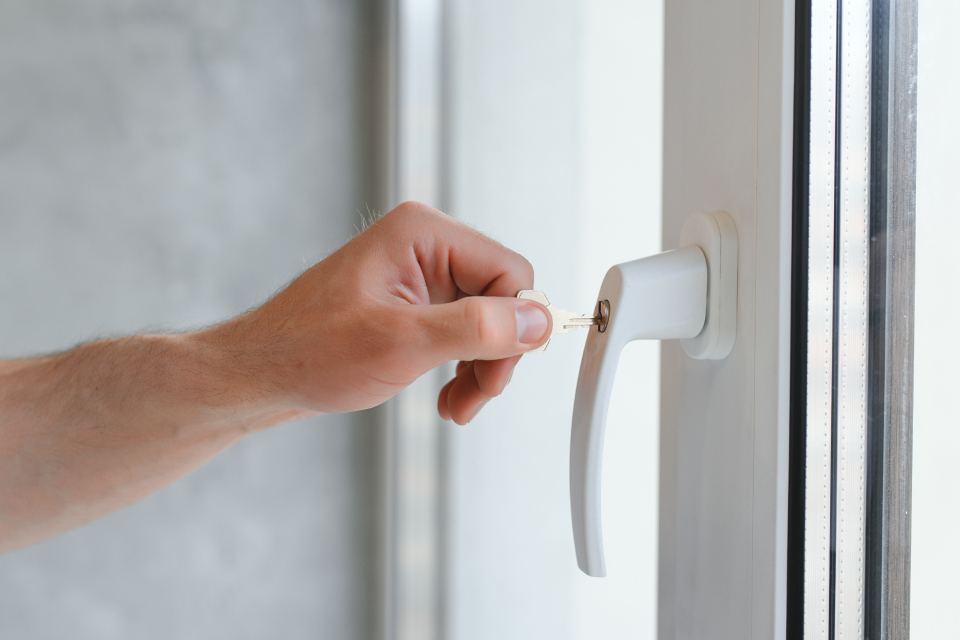
- Lockable handles – These are commonly found on modern uPVC windows and are standard handles integrated with a key lock or push-button mechanism that secures the window shut. By physically blocking the handle from turning, this is a simple way to improve security.
- Premium security screens – A security screen is a reinforced mesh that’s fitted to windows using a heavy-duty frame fastened securely to the window face. The mesh is constructed from marine-grade woven stainless steel that’s designed to withstand any forced entry or severe impact. It achieves this while also preserving airflow and outward visibility.
- Security glazing films – A security glazing film is a heavy-duty, multi-layered polyester (PET) applied to an existing glass surface to prevent shattering and better withstand heavy impacts. It’s also virtually invisible, making it an excellent cost-effective strategy to upgrade the security of existing windows without replacing the entire glass pane.
What Is the Most Secure Window Configuration?
The most secure window configuration will combine a tilt and turn or casement window with polycarbonate or laminated glass and a multi-point locking system. This pairing will give you strong protection against forced entry at every level, from the glass to the window configuration and locking system.
Common Mistakes When Choosing Secure Windows
- Prioritising appearance over security features – When selecting new windows, it can be incredibly tempting to just focus solely on appearance, by choosing a style or finish that complements your home design. However, prioritising appearance over security may create vulnerabilities in your window’s design. Make sure you also consider the security capabilities of different window options, and don’t overlook features such as multi-point locking systems, and your choice of glass.
- Neglecting long-term maintenance – The most secure windows can still deteriorate over time when proper maintenance is neglected. Stiff or corroded locking mechanisms, damaged frames or worn-out seals can all weaken the security performance of a window. Make sure you schedule regular inspections to identify any signs of wear and tear and address any issues promptly.
- Overlooking the installation quality – Even the best window in the world won’t perform securely when fitted incorrectly. A poor installation can lead to structural issues and weak fixings that may void your warranty. Make sure you only work with a certified installer, such as the team at Windows For Life, who understand local building regulations and have a proven track record in delivering high-quality units for homes.
- Just selecting standard locks – Many homeowners may choose to install basic, traditional latches or cheaper single-point locks. If you are looking for maximum security, then try to avoid single-point locks as they can be easily bypassed by a potential intruder, with multi-point locking systems providing a more secure defence.
The Role of Doors in Home Security
When upgrading the security of your home windows, it’s also essential to consider the role of doors. As the primary barrier between your home and the outdoors, doors are a critical line of defence against intruders. Choosing the right door style and additional security features can make a significant improvement to your home’s protection.
Secure door options include:
- Double Glazed Doors
- Sliding & Patio Doors
- Stacking Doors
- French & Double Doors
- Front and Entrance Doors
- Back, Side and Laundry Doors
- Bifold Doors
A door is only as strong as its weakest point. We recommend the following tips for boosting your door security:
- Deadbolts and multi-point locks – Adding a deadbolt or multi-point locking system is one of the best ways to improve your home security, as they are significantly more difficult to break open than a standard latch.
- Hinges – If your door’s hinges are exposed to the outside, they can become a target for intruders. We recommend hinges with non-removable pins or add hinge bolts that prevent a door from being lifted off its frame.
- Door bar or jammer – A door bar or jammer can be an effective physical barrier that braces the door against forced entry from the outside. They are particularly well-suited to sliding or French doors, which are more vulnerable to forced entry.
- Consider your door glass – Glass panels within or around a door can be one of the weak points targeted by intruders. We recommend opting for laminated or toughened glazing around these areas that ensures even if the glass is broken, it won’t shatter in such a way that allows for easy access to door handles or locks.
Questions to Ask Before Buying Security Windows
To ensure you don’t miss any details when comparing security window quotes, we recommend asking your window supplier the following questions:
What type of glass is included?
- Not all security windows use the same glazing, so it’s worth confirming whether the installation features toughened, laminated or polycarbonate glazing. Each choice offers a different level of protection and price point, so make sure you confirm the right choice for your security needs and budget.
What type of locking system is included as standard?
- Make sure you ask whether multi-point locking can be included as standard, as basic latches or single-point locks may not provide enough protection.
What standards does the system meet?
- Reputable suppliers should be able to provide documentation that confirms their windows meet the relevant Australian standards for security and performance. Independent testing against forced entry will also give you the confidence that the product will perform well.
What material are the window frames made from?
- Because frame material directly affects the security and longevity of your windows, it’s worth confirming whether yours are uPVC, aluminium, timber, or another material.
What warranty is provided?
- A strong warranty is a good indicator of product quality and manufacturer confidence. Make sure you clarify what’s covered, for how long, what isn’t covered and the factors that void the warranty, such as improper installation or maintenance.
Frequently Asked Questions (FAQs)
What type of windows are the most secure for a home?
- For most homes, tilt and turn and casement windows are typically considered the most secure option due to their multi-point locking systems and tight seals. Especially when paired with either laminated or polycarbonate glazing for added protection.
Should all windows in a home have the same level of security?
- Not usually, we recommend prioritising the security of any ground-floor windows and those that are facing the street, as these are the most common entry points. Windows that are concealed, or above ground, may not require the same level of protection, although we still recommend adding quality locks and glazing.
How do I make my existing windows more secure?
- The best way to upgrade the security of your existing windows is to add a multi-point locking system, or add a security screen or security-glazing film. These are relatively cost-effective improvements that can make a meaningful improvement to your security without having to replace the entire window.
Are older windows less secure than modern windows?
- In most cases, older windows will be less secure than newer windows. This is because older windows usually have single-point latches and thinner glass that may have eroded over time due to corrosion or warping. Modern windows are usually built to a higher standard of security, with stronger glazing options, locking systems and frame materials.
By prioritising secure windows, you can add a significant defensive barrier that protects your home from any potential break ins. For more information on home security and to ensure you choose the right window solution, please reach out to the experts at Windows For Life.
Google Rating
Based on 71 reviews
