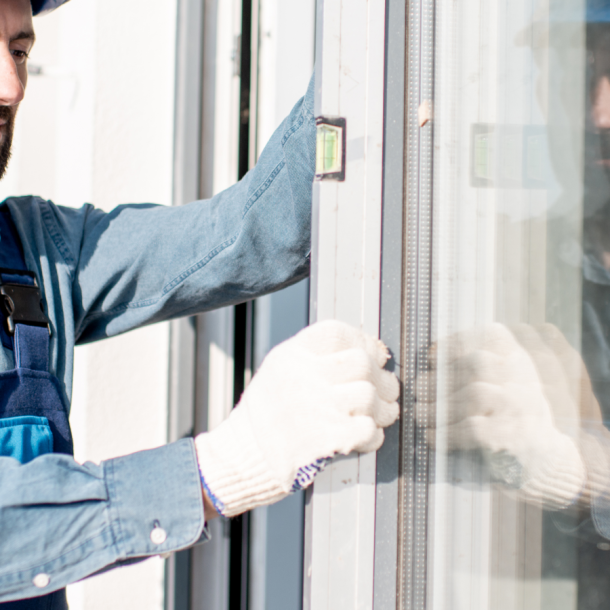

Double glazing is highly effective at keeping heat out. With the right window specifications, you can feel confident that your home will stay cooler, more energy efficient and comfortable, even during the warmest months of the year. Double glazing keeps heat out by creating an insulating barrier between the outside and inside, reducing solar heat transfer. During summer, the barrier helps to reduce external heat entering your home. This allows you to maintain a more stable and comfortable indoor temperature throughout spring and summer. Double glazing also improves overall energy efficiency. By keeping heat out, it reduces the strain on heating and cooling systems, lowering energy consumption and contributing to reduced utility bills.
What is Double Glazing and How Does it Keep Heat Out?
Double-glazed windows are windows with two panes of glass, instead of one. The two panes are separated by a gap of between 6mm-12mm, which is sealed and filled with argon gas. As argon gas has a lower thermal conductivity than air, it slows the movement of heat through the window. This design helps to improve thermal performance by reducing the rate at which heat passes through, while still allowing natural light to enter your home. While double glazing is often associated with keeping homes warm in winter, it’s just as valuable to keep them cool during summer.
Factors Impacting Double Glazing Heat Deflection Performance
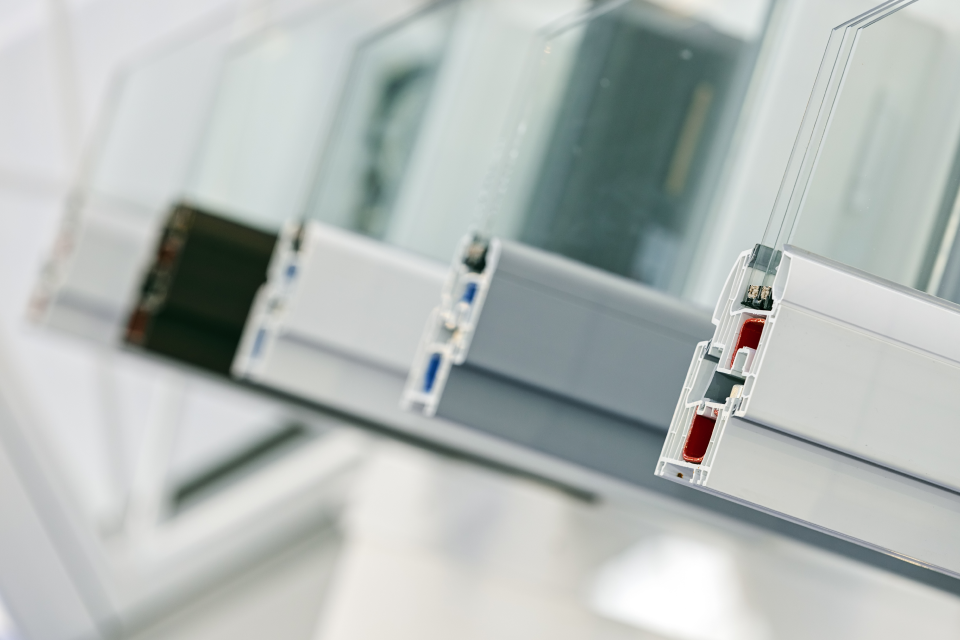
Several factors affect how well your double-glazed windows keep heat out. By understanding the following factors, you can maximise the performance of your new installation:
Glass Type
Not every double-glazed window uses the same glass. Different glasses have different properties that make them better or worse for insulation, particularly in how they manage heat. The major glass types most homeowners pick from are:
- Laminated glass – Although they are more commonly installed because of their enhanced security and protection against break-ins, laminated windows also reduce the transfer of heat. However, laminated glass performance is generally not to the same degree as tinted, or low-E glass when assessed for thermal efficiency.
- Tinted glass – This glass is coloured during manufacturing to reduce the amount of light and heat that is transmitted. It’s an excellent option for reducing glare and minimising solar heat gain, making it a smart choice for homes in warmer regions.
- Low-emissivity (low-E) glass – Like tinted glass, low-emissivity (commonly referred to as Low-E) glass is specially designed to reduce the transfer of heat. These glass panes have an extremely thin coating of thin-film metal that allows less heat to pass through. This does not mean less light passes through; rather, this coating blocks the UV light, which creates heat and causes UV damage to furniture and flooring.
Type of Gas fill
Your window’s ability to insulate heat also depends upon the choice of gas filling the gap between your panes. Different gases vary in density and thermal conductivity, and most homeowners will have the choice between the following three options:
- Argon – The most popular gas fill for good reason. It offers a solid balance between insulation and affordability, and is the most widely used in modern energy-efficient windows.
- Krypton – Much denser than Argon, Krypton offers better insulation. However, Krypton does come at a premium price and is sometimes used in high-performing window glazing systems.
- Xenon – The densest and most efficient of the three options, Xenon provides exceptional thermal insulation. However, it is by far the most expensive option, with increased costs for the added performance limiting its use in residential windows.
Frame Material
It is important to consider how your choice of frame material alters thermal performance. This is because different materials have different characteristics, which affect how well they keep heat in. Although the primary responsibility of a frame is to provide structural support, it can also be a pathway for heat to be transferred through, a phenomenon known as thermal bridging.
- uPVC – Arguably the most popular choice, uPVC is great as it offers the best value with both exceptional insulation and energy efficiency.
- Aluminium – Aluminium is also viable because of its durability and low maintenance. However, although this material is strong, it is a weaker insulator because metal is naturally a good conductor of heat.
- Timber – You may also consider timber, which provides adequate levels of insulation. Although regular maintenance will be required to prevent any rot and weather damage.
Routine Maintenance and Cleaning
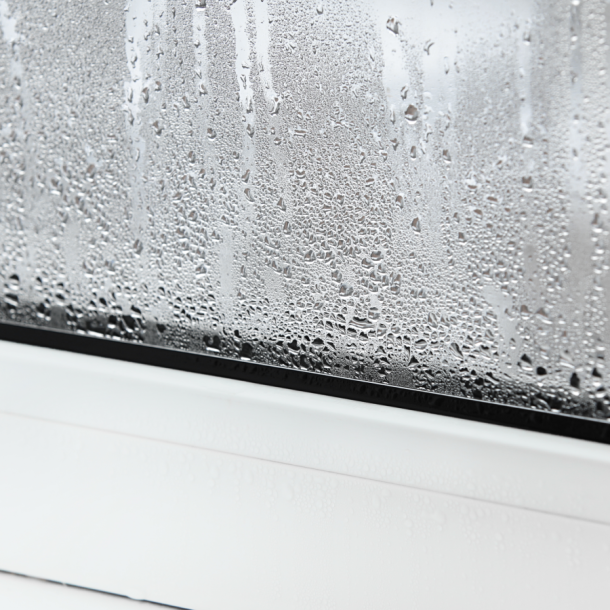
To make sure you get the best heat proofing benefits out of your double-glazed windows, we recommend carrying out routine maintenance and cleaning. Try to wipe down your glass and frames of any dirt and grime, while also monitoring for signs of cracks or discolouration. Also, check for any condensation forming between your panes, which looks like tiny water droplets forming on the glass, as this can indicate a failed seal and reduced thermal efficiency.
Carrying out these steps helps to extend the overall lifespan of your windows, while also maximising their energy efficiency.
Benefits of Heat Insulation from Double Glazing

The insulating effect of double glazing can offer you the following benefits:
- Year-round temperature control – Double glazing is highly effective at keeping heat out during summer. Reducing heat transfer through the window helps to maintain a consistent indoor temperature.
- Improved comfort – By reducing temperature variations through different seasons, this contributes to a more stable interior temperature. Particularly beneficial through the hot summer days when temperatures can spike.
- Lower energy bills – Because double glazing allows you to maintain a more comfortable temperature inside, it reduces the reliance on air conditioning systems, saving you money on utility bills. This is particularly important when heating and cooling can account for approximately 20-50% of your household energy consumption. Studies have shown that energy-efficient windows are able to reduce this demand by up to 15%.
- Positive environmental impact – Lower energy bills mean you don’t rely as much on electricity, which is generated by harmful fossil fuels that contribute to global warming. Therefore, when you make the switch to double glazing, you will lower your carbon footprint and contribute to a more sustainable, eco-friendly future.
Comparing Window Glaze and Glass Types for Home Heat Control
Depending upon your choice of window glazing and glass type, your home insulation may be better or worse. The following is a list of the options and how well they can keep heat out of your home:
- Single glazing – These windows use just a single layer of glass. When compared to the other options, single glazing doesn’t really stand up in regards to energy efficiency, because its single pane offers a small barrier against heat transfer. Single glazing is the most affordable choice, and its performance can be improved by changing to a single pane of a more energy-efficient type of glass, such as low-emissivity (low-E).
- Secondary glazing – Not to be confused with double glazing. Secondary glazing is where you add a second, independent glass layer behind your already existing single-glazed window. In this regard, it works in a similar way to double glazing, providing an added layer of insulation. It’s less expensive than double-glazing, and does not require a complete replacement of the window. However, the thermal insulation is comparatively weaker than double-glazing options.
- Double glazing – Double-glazing is the superior choice of glazing for Australian windows and doors. This is the most common recommendation as it is highly efficient, with testing showing it can reduce heat transfer by 30% to keep your home cooler during summer. This makes them a far better choice for summer than single-glazed windows that lack any sort of strong, insulating barrier and typically record much higher heat transfer rates.
- Triple glazing – Triple-glazing is another choice, often used in more extreme climates. Instead of just one or two panes, triple glazing uses three panes of glass, meaning these units have two air gaps providing insulation. Because of this extra barrier, triple glazing is 20% stronger at maintaining a consistent temperature, both during the winter and summer months. This does come with a significant added cost, usually an additional 20-30%, due to the additional 1-2 panes of glass and additional gas air gap. As noted, for Australian climates, double glazing is often recommended for most homes, due to better affordability and similar energy efficiency to triple glazing (only 20% difference).
If you need to get your home prepared to tackle the summer heat, choosing to install double glazing can be a great remedy. Paired with uPVC, double glazing can even further reduce heat entering your home during summer. uPVC double glazed windows will help to keep your home temperature comfortable year-round, while also lowering energy bills. For more information on how double glazed windows can keep your home cool in summer, please contact the experts at Windows for Life.
Google Rating
Based on 73 reviews
