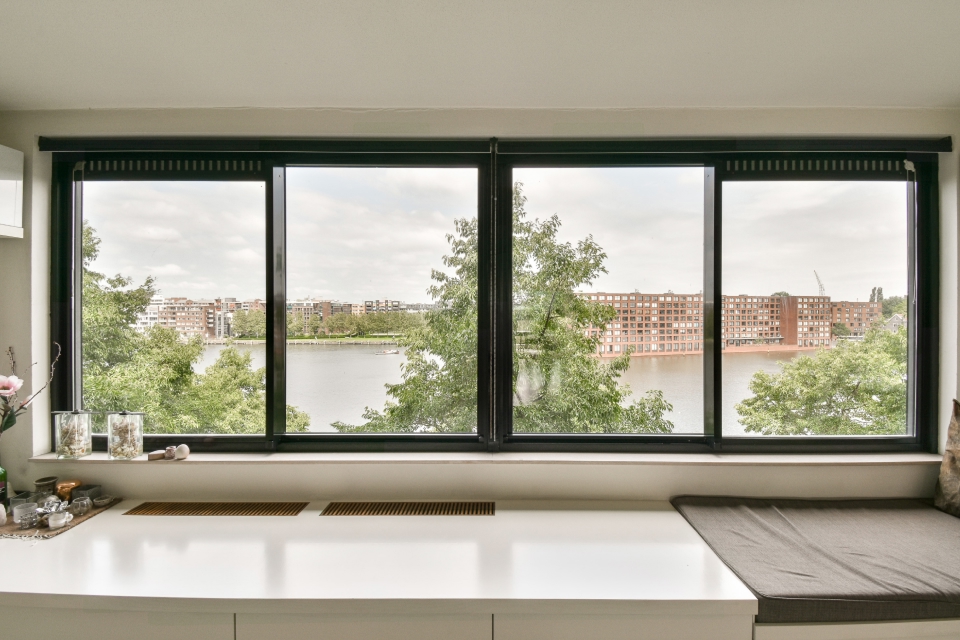

Awning and sliding windows are among the most popular choices for Australian homes, offering a mix of functionality, durability and modern style. While the sliding design has been the classic choice for many years, awning windows are also gaining traction as a preferred option. Both styles offer uncompromising visibility and aesthetic appeal, yet each serves different functions and space requirements. Selecting between awning and sliding windows involves balancing key factors such as ventilation, security and space availability.
What is an Awning Window?
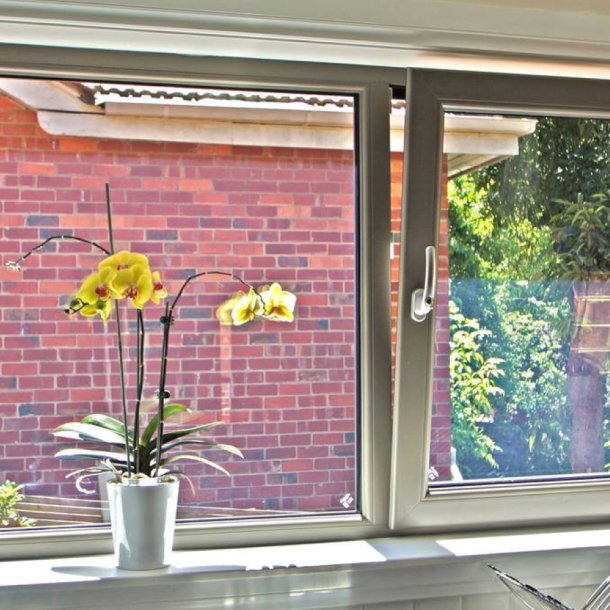
An awning window is hinged at the top and opens outwards at the bottom like an old-fashioned garage door. They are typically rectangular, with the width often greater than the height. They have a crank handle to manually open it and a chain winder that allows you to extend the window to the amount required. Most awning windows open at a 45-degree angle. They can be automated to open at the press of a button.
What is a Sliding Window?
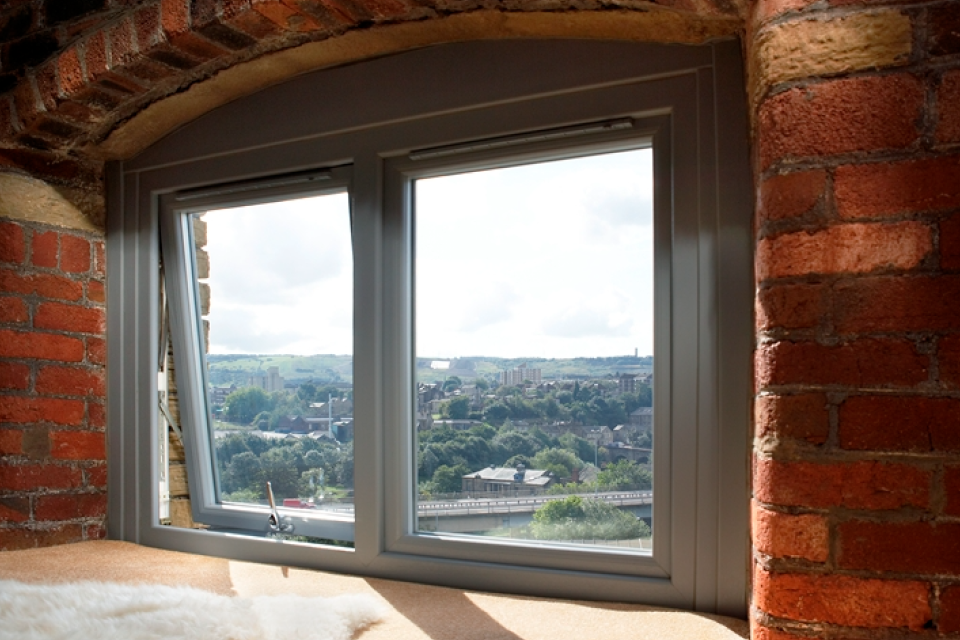
A sliding window consists of at least two panels of glass that slide along a track. In a standard sliding window, one panel is fixed and the other is sliding. With double sliding windows, both panels can move, while three panel options typically feature two operable sliders with a fixed pane of glass located at either the centre or end.
Pros and Cons of Awning Windows
Pros
- Energy efficiency: Awning windows can help improve energy efficiency in the home. They have a superior compression seal, which minimises air leakage. Many awning windows are also equipped with energy-efficient glass like double glazing, which regulates temperature and provides maximum energy efficiency.
- Weather sealing: These windows are well-suited to Australia’s unpredictable weather. The angled sash allows them to remain slightly open even when it is raining and prevents water from entering the home.
- Ventilation: One of the most important benefits is superior ventilation. Awning windows can be opened during any weather, which means ventilation from fresh air at all times.
- High security: The top-hinged mechanism means awning windows are harder to force open and more secure. This makes them ideal for ground floor rooms, bathrooms and secondary bedrooms where security might be a concern.
- Multi-point locking: Modern awning windows come with multi-point locking systems which means you can lock the frame at several points. This improves security and helps to keep the window sealed tightly.
- Ideal for high placement and privacy: This style of window can be placed up higher on walls so are also ideal for bathroom privacy. The high placement windows will capture natural light and maximise wall space.
Cons
- Requires clearance: As the sash swings outwards, awning windows require more space and clearance.
- More expensive: Awning windows have a higher upfront cost than sliding window systems.
- Cleaning difficulties: It can be more difficult to clean the outside pane, particularly if the window is positioned high on the wall or in the case of a two-storey home.
- Limited opening width: The sash tilts out rather than sliding fully to the side, which limits the maximum opening of the window.
Pros and Cons of Sliding Windows
Pros
- Excellent air flow: Sliding windows open from the side and provide excellent unobstructed air flow and ventilation.
- Generally less expensive: Depending on the quality and brand, sliding windows tend to be less expensive than most operational windows.
- Simple operation: They are easy to operate with no hinges and no gears. Just unlock the latch and slide it sideways.
- No outward protrusion: Sliding windows are streamlined and do not protrude outwards so space requirement is not a consideration.
- Good for maximising views: The large sliding windows can be quite expansive and maximise any views from the home.
- Easy to clean: With fewer moving parts, sliding windows are easier to clean and maintain.
Cons
- Lower efficiency: As the contact point between the sliding sashes is not always pressure closed, some windows may be less efficient than awning windows.
- Weather reliant: Sliding windows cannot be opened if there is rain outside hitting the panel of glass. Unlike awning windows, they have no canopy for interior protection.
Comparing Key Features
| Feature | Awning | Sliding |
| Ventilation (air flow) | Moderate | Excellent |
| Security | Multi-point locking system | Standard latch locking |
| Cleaning | Can be difficult | Easy to clean |
| Space use | Needs more space outside | Needs no extra space outside |
| Energy efficiency | High | Moderate unless with double glazing |
| Sealing | Excellent for wind and rain | Moderate and cannot be opened in the rain |
| Cost | Can be more expensive | Usually less expensive |
Climate Considerations when choosing Awning vs Sliding Window
When deciding between awning or sliding windows, local climate is a critical determinant on performance, impacting energy efficiency, ventilation and weather protection. Both window styles differ significantly in functionality, making them suitable for specific climates and weather conditions.
Awning Windows: Best for Cooler or Variable Climates
As awning windows are hinged at the top and open outwards, they form a type of canopy which allows for extra air flow and keeps moisture out. This means an awning style will be ideal for a climate with unpredictable weather.
Best type of climate/region for awning windows
- Cooler areas such as the Alpine region or parts of South Western Victoria, like Ballarat
- Rain-prone coastal areas like the Great Ocean Road
- Homes exposed to winds and storms
Reasons
- Weather-resistant and have superior rain protection
- Durability and strength in harsh weather
Sliding Windows: Best for Warmer or Dry Climates
Sliding windows are ideal for warmer climates as they maximise natural ventilation through large, easily operated openings. They allow more air to enter the home, which is ideal in warm climates where there is a refreshing breeze.
Best type of climate/region for sliding windows
- Hot, dry areas such as Victoria’s Northwest, covering the Mallee, or much of the Wimmera and Northern Country
- Open-plan design homes
- Compact areas that do not allow for protruding windows
Reasons
- Large openings with excellent air flow
- No outward projection so good for tight spaces
- Enhancing natural breeze and light, ideal for arid regions
- When paired with double glazing, they are extremely energy efficient
How Awning vs Sliding Windows Compare for Climate Performance
| Feature | Awning | Sliding |
| Rain performance | Excellent | Moderate |
| Air tightness | Very high – sash compresses against frame to seal | Moderate due to tracking system |
| Noise reduction | Better with tight seals | Moderate due to gaps |
| Best climate | Cold, wet, coastal | Warm, dry, breezy |
Window Choices for Different Rooms
Some windows are good for different rooms, regardless of the area you live in. You can mix and match windows for the specific room it serves. The best style of window for each of these rooms is:
- Bathrooms: Awning windows strike a balance between ventilation and privacy.
- Kitchens: Sliding or servery windows are ideal for kitchens to enhance the flow between indoors and outdoors.
- Bedrooms and living areas: Both awning and sliding windows are ideal for bedrooms and living areas. The choice will depend on the home style and space availability.
How to Decide between Awning or Sliding Windows
When choosing between awning of sliding windows, take into account a variety of factors. Awning windows provide better energy efficiency and can be opened during rainy weather. However, sliding windows are less expensive, easier to clean and perfect where space is limited. Take into account climate, space and your budget when deciding between the two.
- Climate: If you live in a warm area, sliding windows are a great choice. However, cold rainy climates are more suited to awning style with their protective canopy.
- Space: Awning windows are not ideal if space is scarce as they need room to open up outwards. In this situation sliding windows are the best option.
- Budget: If the budget is limited, sliding windows are the least expensive of all window styles.
Double Glazing Awning vs Sliding Windows
When it comes to double glazing, both awning and sliding windows can take advantage of the benefits of the double glazing process. The main benefits for each are:
-
Benefits of Double Glazing Awning Windows
Awning windows are already highly energy efficient. However, when this type of window is double-glazed, the benefits improve significantly. Double-glazed awning windows support improved energy efficiency, reduce outside noise and lower bills.
-
Benefits of Double Glazing Sliding Windows
Double-glazing sliding windows improves energy efficiency exponentially. As this style of window is not as energy efficient, when combined with double glazing, it reduces heat transfer and improves energy efficiency. Double glazing also blocks out a lot of noise from outside, making the inside of the home nice and quiet.
Awning and sliding windows both offer distinct advantages, and the right choice depends heavily on climate, space constraints, and architectural style. While both can be used interchangeably, they serve different primary functions. Awning windows excel in ventilation and weather protection, while sliding windows are ideal for unobstructed views and saving space. For the best advice on whether to choose an awning or sliding window, contact the team at Windows for Life.

Google Rating
Based on 72 reviews
