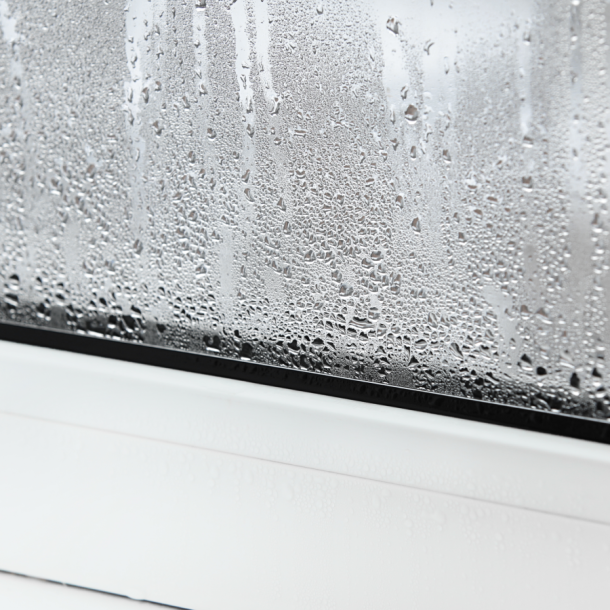

Double glazing has a myriad of benefits for home owners, including improved insulation, energy efficiency and noticeable noise reduction. Depending on the window design and materials used, double glazing can reduce noise by up to 65%. With its two pane glass design and insulating gap between, double glazed windows limit the amount of sound that passes through a window. Similar to how double glazing reduces heat transfer to improve energy efficiency, it also helps minimise the mid to high frequency sounds such as traffic, barking dogs or voices.
How Does Sound Travel Through Windows?
To understand how double glazing can reduce noise, it is helpful to understand how sound travels. Sound can travel through various mediums like air, water and solids. When sound waves hit a surface like glass, it vibrates and allows the sound waves from outside to travel into the room, which is what we hear as noise. Thicker glass like double glazing tends to block more sound waves than single pane glass, allowing less sound to be transmitted through.
The level of noise is measured in decibels (dB). A double glazed window with its two panes of glass and argon gas filled centre can reduce noise by up to 30 to 35 decibels compared to a single glazed window. The frequency of the sound also plays a role in how sound travels through. Lower frequency sounds like bass notes can pass through glass more quickly than higher frequency sounds. The thumping beat of music can be heard a lot easier than the lyrics, for example.
We explain the science of sound and how it travels through windows here:
- Sound waves reach the window.
- The sound waves cause the window to vibrate.
- This vibrating glass causes pressure fluctuations in the air on the other side which is perceived as sound.
What is Double Glazing?
Double glazing is when windows have two panes of glass and a central argon gas filled vacuum seal gap, rather than one single pane of glass in the frame. These types of windows have three layers all together, all sealed within a single frame, an exterior pane of glass, a gas filled space, and an internal glass pane.
How Does Double Glazing Reduce Noise?
Double glazing is able to reduce noise transfer due to the window construction with the two panes of glass and argon filled gap in between. Unlike single glazing which has just one pane of glass that usually measures between 3mm and 12mm in thickness, double glazing contains two panes of glass that each range from 4mm to 15mm in thickness. It also has an extra layer of gas in between which contributes to its sound proofing properties. The sound waves strike the first layer of glass which absorbs some of the energy, while the remaining energy travels through to the gas-filled chamber. This middle layer further weakens and dissipates the sound energy and finally the second pane of glass decreases it further. The amount of noise transfer is drastically reduced both inside and outside the home, resulting in a much more peaceful environment.
Factors that Affect Noise Reduction from Double Glazing
With double glazing installed, noise should be reduced by between 30 and 65% or roughly 30 to 35 decibels. Loud trucks and sirens become a murmur outside rather than an overwhelming sound. High frequency noise like conversations or distant music can barely be heard. However, there are a number of factors that will contribute to the amount of noise reduction from double glazing. These include:
- Glass thickness: The added mass and thickness of glass in double glazed windows will significantly impact the amount of noise reduction. Thicker glass is more effective at blocking sound waves and absorbing sound as it has a longer way to travel through the glass. If you want to improve noise reduction even further, use two different thickness levels of glass such as a 6mm inner layer and 4mm on the outside. This disrupts the sound waves by creating structural changes that reflect or absorb the acoustic energy, reducing transmission.
- Type of gas: This can affect the noise reduction of double glazed windows as some gases are denser than others which improve the window’s overfall insulation properties. Argon gas and krypton gas are superior gases that are denser than air to help slow down sound waves from travelling through the window. Argon is the most common gas used as it is a non toxic gas that is more cost effective than krypton. Alternatively, some double glazed windows have dehydrated air which is far less effective than the other gases at reducing sound transmission. Although rarely used, it is still better than a single glazed window for noise reduction.
- Gap width: The width of the gas filled gap can impact the amount of noise reduction from double glazed windows. Wider gaps can provide better sound insulation as the glass panes are further apart, creating a more effective barrier for noise frequencies. Typical gaps range from 12mm to 16mm. Increasing to 20mm will significantly improve noise reduction.
- Sealing: Regardless of the gap width, the quality of the sealing is paramount for maximum noise reduction. A well sealed window will prevent sound from entering through any gaps around the window frame.
- Glass types: The type of glass used in double glazing will impact how much noise reduction the system can provide. Standard float glass offers basic noise reduction but is less effective than other types of glass. Low E glass is a type of glass designed for superior energy efficiency when combined with double glazing and also provides a boost to noise reduction. The best option for noise reduction is laminated glass which, combined with double glazing, helps to maximise protecting the home from noise pollution.
- Frame materials: The type of window frame material chosen impacts noise reduction and energy efficiency substantially. uPVC is a window frame made from unplasticised polyvinyl chloride and is an excellent material for noise reduction. Its soundproofing properties occur because the unplasticised polyvinyl chloride material is non conductive which means less noise can be transmitted. Alternative window frame materials like aluminium or timber do not provide the same level of insulation or noise reduction that uPVC frames do.
- Professional installation: Proper installation of double glazed windows is essential to ensure the highest noise reduction. Professional installers have years of experience and understand the nuances of installing windows to ensure maximum noise reduction and energy efficiency. Without a professional installing the double glazed windows, they may not be as efficient, adhere to building codes, legal requirements or be eligible for warranty.
How is Noise Transmission Through Double Glazing Measured?
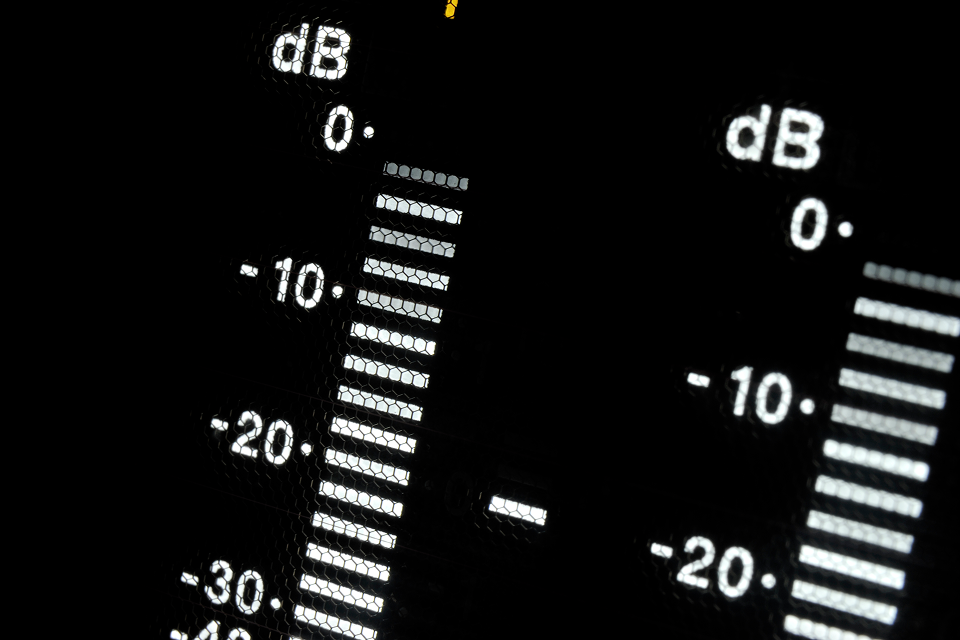
Noise transmission, known as sound transmission, is measured by the energy that passes through the window from one side to the other. It is referred to as a decibel (dB) and high decibels mean loud sound. While double glazing won’t completely silence outside noise, it can reduce it dramatically. If you live on a busy road that registers 120 decibels of traffic noise outside but 80 decibels inside after travelling through a window, the noise is reduced by 40 decibels. The difference between the noise levels outside and inside is known as the sound transmission class rating (STC rating) which is the measure of how well a window reduces sound. A window that reduces noise by 40 decibels would have a STC rating of 40 or more. Double glazed windows have an average STC rating of 40 to 50 compared to 25 from single glazed windows. The STC rating is determined by testing a window in a controlled environment and calculating the difference in transmission in the various frequencies.
How Much Noise can Double Glazed Windows Stop?
While not completely soundproof, double glazing can reduce noise by as much as 30 to 65%. Standard single glazed windows typically have an STC rating around 25 to 27, while double glazing can range from 32 to 40 or even higher with specialised designs. In practical terms, for something to be close to soundproof it would need an STC rating of about 60 to 65 which would provide little or no noise transmission. With an STC rating of 40, loud speech would be heard as a murmur. At 50, loud speech could not be heard and loud noises like trucks and sirens would only be faint.
Benefits of Noise Reduction from Double Glazing
While double glazing is well known for its energy efficient qualities and reducing bills, noise reduction is one of the additional advantages of these glazing systems. There is a range of benefits of noise reduction from double glazing, including:
- More comfortable living environment: If you live on a main road with lots of passing traffic and loud noises, double glazing can make your home more comfortable and peaceful. With the ability to block noise by about 40 to 50 decibels, the interior of the home will be much quieter.
- Improved sleep: With less disturbance from outside resulting in a quieter living environment, sleep may be improved.
- Increased property appeal: With a quieter living environment, the property is more appealing to tenants and potential buyers, especially in high traffic areas.
- Health and wellbeing improvement: Less noise pollution results in a more comfortable and calm environment which is linked to lower stress and overall improvement in wellbeing and mental health.
Benefits of Double Glazing Beyond Noise Reduction
Apart from noise reduction, double glazing offers significant benefits like energy efficiency and cheaper bills that make it well worth installing. The benefits of double glazing include:
- Energy efficiency: Double glazed windows are very energy efficient, reducing heat transfer by up to 30%. This means that heating and cooling a home needs less energy to perform the same task. Heating does not have to work as hard in winter as the double glazing prevents the warm air from escaping outside. Similarly, air conditioning keeps a room cool in summer with less energy consumption.
- Reduced bills: The double glazing provides better insulation so less energy is needed to create a comfortable ambient temperature and less money is spent on energy bills.
- Increased security: Two panes of glass and the argon gas centre makes the windows stronger and harder to break. Double glazing means increased security against burglars and increased safety around children as the window type is less likely to break and shatter.
- Increases property value: The addition of double glazed windows is a major drawcard for potential property purchasers and may raise the price of the home.
Double glazing has a myriad of benefits, including reducing noise entering the home. With double glazed windows you can enjoy a more peaceful environment with a sound reduction of up to 65% as sound waves are forced to travel through multiple barriers. The level of noise reduction depends on several factors such as glass thickness, pane spacing and the type of frame. When paired with a uPVC frame, the ability to reduce noise is significantly increased. For further information on the benefits of double glazing and how double glazed windows reduce noise, contact the experts at Windows for Life.
Google Rating
Based on 72 reviews
