

When selecting windows for a new home or upgrading existing ones, knowing how long they will last is a critical part of the decision-making process. Windows are a significant investment, so choosing the right type of windows for your home ensures maximum longevity, reduced energy expenses and minimal upkeep. With a lifespan of between 25 and 30+ years, uPVC windows are one of the most long-term, reliable and high-performing window options on the market. Unlike traditional timber or metal alternatives, uPVC windows do not rust, corrode or warp over time. With basic care, these durable windows will last for decades without losing their structural integrity or aesthetic appeal.
Lifespan Stages of uPVC Windows
While uPVC windows are long-lasting, their performance and maintenance needs change over time. The lifespan of uPVC windows typically spans across three stages from installation to 35+ years, transitioning from peak efficiency with minimal upkeep, to reduced functionality and more frequent repairs. Below is a breakdown of the three lifespan stages, what to expect and maintenance requirements.
| Lifespan Stage | What to Expect | Maintenance requirements |
| 0-15 years | Excellent performance, strong hardware seals and framing | Low maintenance, wipe down frames occasionally |
| 15-25 years | Still excellent performance, but minor issues with hardware may start to occur | Moderate maintenance, increased cleaning and lubrication of moving parts |
| 25-35+ years | Still performs well, but frames may start to discolour | Moderate to high maintenance, repairs may become more frequent |
Factors That Impact the Longevity of uPVC Windows
While uPVC double-glazed windows are highly durable, there are several key factors that impact overall longevity and performance. These are:
- Material quality: There are a number of uPVC windows on the market that range from high-quality, durable systems to low-quality, cheaper alternatives. The quality of the material has a significant impact on a window frame’s longevity. Premium uPVC windows can last for 35 years or more, while low grade alternatives may deteriorate within five to 10 years. To identify if the uPVC is of good quality, the surface finish should be smooth with no defects. The profile should be thick for extra strength and protection from weather damage and deterioration. High-quality uPVC will also be UV-resistant to withstand harsh sunlight that leads to fading and cracking.
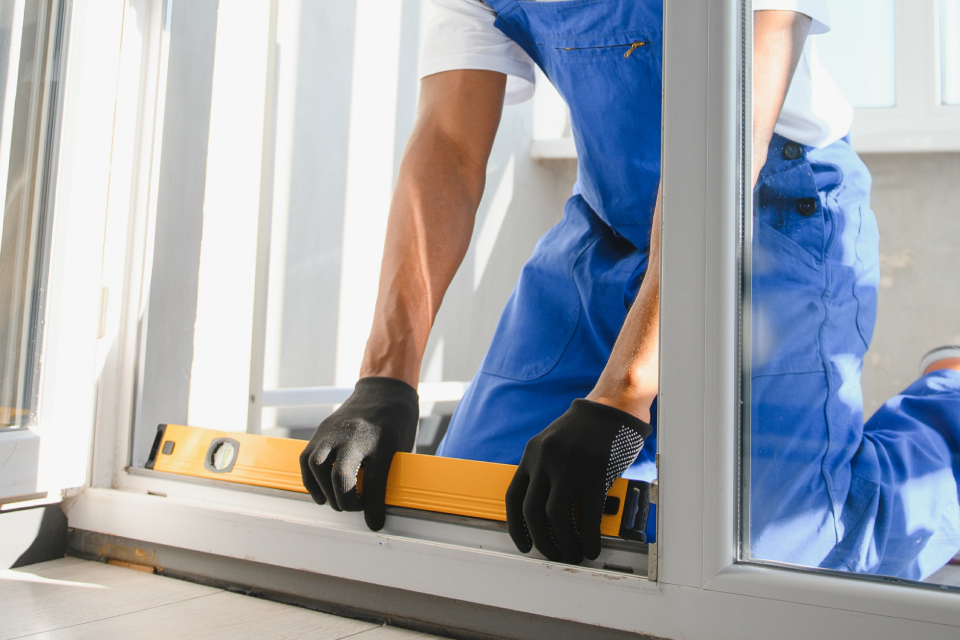
- Installation: Professional installation is essential for the longevity of uPVC double-glazed windows. It ensures structural integrity and guarantees optimal thermal performance over a 35+ year lifespan. Professionals will ensure the window frame is perfectly level and square. If not aligned properly, it can lead to warping, sticking or difficulty opening. Expert installers have the correct tools and equipment to anchor and seal the window frames.
- Maintenance: While regular maintenance is important for extending the lifespan of uPVC windows, it is relatively minor compared to other types. Simple cleaning and annual lubricating of locks and hinges may add up to 15 years of additional life to uPVC windows.
- Climate and environment: uPVC windows are designed to resist harsh environmental conditions. However, prolonged exposure to certain climates and weather conditions can impact longevity. Extreme sunlight and UV exposure can cause fading and yellowing. Very hot or cold temperatures can make uPVC windows expand and contract, stressing the seals and hardware.
Lifespan of uPVC vs Other Window Frame Materials
Comparing uPVC window frames with other materials highlights clear differences in lifespan, durability and upkeep. While uPVC has a shorter lifespan than aluminium or timber, it is often more durable and requires significantly less maintenance. Here is how uPVC compares to alternative framing materials.
| Window Frame Material | Average Lifespan | Main Benefits | Potential Weaknesses |
| uPVC | 25-35+ years | Excellent insulation Energy efficiency Low maintenance No rusting No rotting Less expensive |
Can discolour or become brittle over time |
| Aluminium | 30-45+ years | Durable High security |
Expensive Less insulating |
| Timber | 20-60+ years | Environmentally friendly Good insulation |
Requires high maintenance Needs regular painting Susceptible to rotting and termites |
How to Improve uPVC Window Longevity
Although uPVC windows are low maintenance, regular upkeep is important. To keep double-glazed uPVC windows performing beautifully and extend their lifespan, follow these key practices.
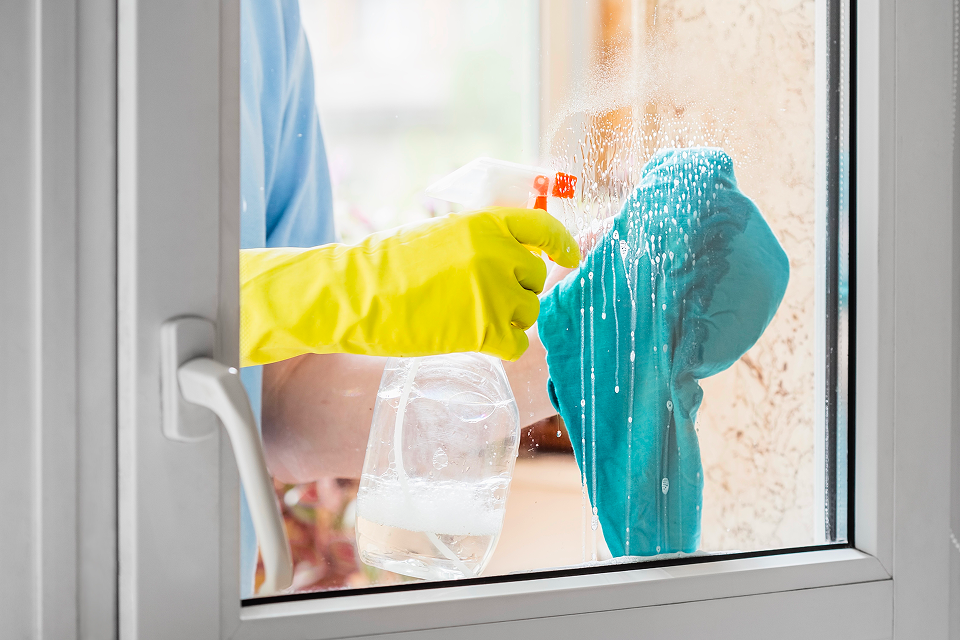
- Regular cleaning: uPVC windows need to be cleaned regularly but gently. Wash the frames every two to three months using warm, soapy water. Avoid harsh, abrasive cleaners, bleach or chemicals. Clean the glass, seals and tracks to prevent dirt buildup, which can degrade the surface if left there.
- Lubricate moving parts: Add lubricants to the moving parts such as the hinges, locks and handles about every six to 12 months. This will keep the window frames opening and closing smoothly, reduce wear and tear, and ensure smooth operation. To lubricate the moving parts, use a light silicon spray or a specialist uPVC lubricant.
- Protect from UV and extreme weather: Although uPVC is one of the most durable materials for window frames, it can help improve longevity to protect from extreme weather or UV, particularly if you are in a harsh climate. To reduce direct sunlight, use external shading or blinds or curtains inside. If the climate is particularly hot, choose a lighter coloured frame which will absorb less heat.
- Address minor damage quickly: If the uPVC window frame has small cracks, scratches or hardware issues, it can get worse if not addressed. Replace broken handles or hinges promptly to stop these issues from escalating.
- Professional inspection: A professional window installer can identify and resolve any issues quickly. Although uPVC is a low maintenance material, it is a good precaution to schedule a professional inspection every two to three years.
Signs uPVC Windows Need Replacing
Signs that uPVC windows may be coming to the end of their lifespan and need replacing include:
- Visible frame damage: If the uPVC window frames appear bent, misaligned or twisted, they may need to be replaced. This misalignment reduces insulation and can damage the hardware.
- Cracks or splits in the uPVC: This can be a result of excessive exposure to UV or extreme heat. When multiple cracks and splits appear, it compromises the weather resistance of the frame.
- Hardware problems: When the handles, hinges and locks become loose or broken, window frames will not be as secure and will be harder to operate. While these can be replaced, if left too long, they may lead to a breakdown of the frame itself.
- Drafts or water leakage: When water is leaking through the frame or air is seeping in, causing a draft, the uPVC double-glazed windows will possibly need to be replaced.
Benefits of uPVC Windows
uPVC double-glazed windows offer energy efficiency, sound insulation and long-term durability. The robust frames are highly resistant to harsh weather and corrosion over time and do not warp or fade. Here are the main benefits of uPVC double-glazed windows:
- Low maintenance: uPVC windows require very little maintenance. The unplasticised poly chloride material does not need painting, sealing or varnishing. They only require an occasional cleaning with water and soap.
- Energy efficient: The material is energy efficient, which means that the frames will not transfer heat and cold. uPVC frames and double-glazed windows are the most energy-efficient type of window.
- Non-corrosive: uPVC is a non-corrosive material that is highly resistant to salinity and moisture. Unlike aluminium and steel, they will not corrode when exposed to rain or salt water.
- Maintains structural integrity: While other materials like timber will swell, rot or warp in winter or summer, uPVC retains its structural integrity.
- Soundproofing: uPVC is a material that has excellent sound insulation, particularly when combined with double glazing. It can reduce outside noise by up to 70%.
- Versatile design: These types of window frames are available in a large range of designs and colours, so will suit every style of home.
- Cost-effective: As uPVC windows are energy efficient, they will help save money over time on electricity bills. They are also generally less expensive to install than aluminium or timber versions.
uPVC double-glazed windows are one of the most durable and low-maintenance types of windows on the market. They can last from 25 to 35+ years or more, depending on how well they are looked after. The team at Windows for Life are the experts in uPVC double-glazed windows and can advise on the best type of windows for your home.
Google Rating
Based on 72 reviews
