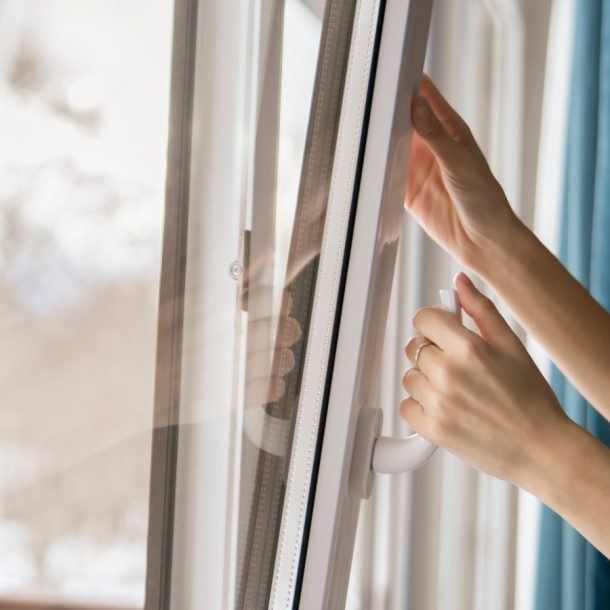

uPVC doors are external or internal doors made from unplasticised polyvinyl chloride, with the frames reinforced with galvanised steel. These doors are a viable alternative to traditional aluminium or timber doors. They are energy efficient and come in a variety of styles to complement any home. For the ultimate in energy efficiency, uPVC doors are often combined with double glazing.
What is uPVC and How is it Used for Doors?
uPVC (unplasticised polyvinyl chloride) is a material used for modern window frames that’s incredibly popular in Australia due to its impressive insulation, energy efficiency and affordability. They feature frames made from PVC (polyvinyl chloride) without added plasticisers, which make it more rigid and durable than flexible PVC.
uPVC is a durable, low-maintenance engineered plastic which is often used for doors due to its high strength, rigidity and resistance to weather. Structurally, these door panels and frames utilise a multi-chambered internal profile that traps air to provide thermal insulation. The uPVC frame is often reinforced with galvanised steel. Due to its flexibility, uPVC can be configured into a variety of door types including entry doors, French, bifold and sliding patio doors.
How Are uPVC Doors Constructed?
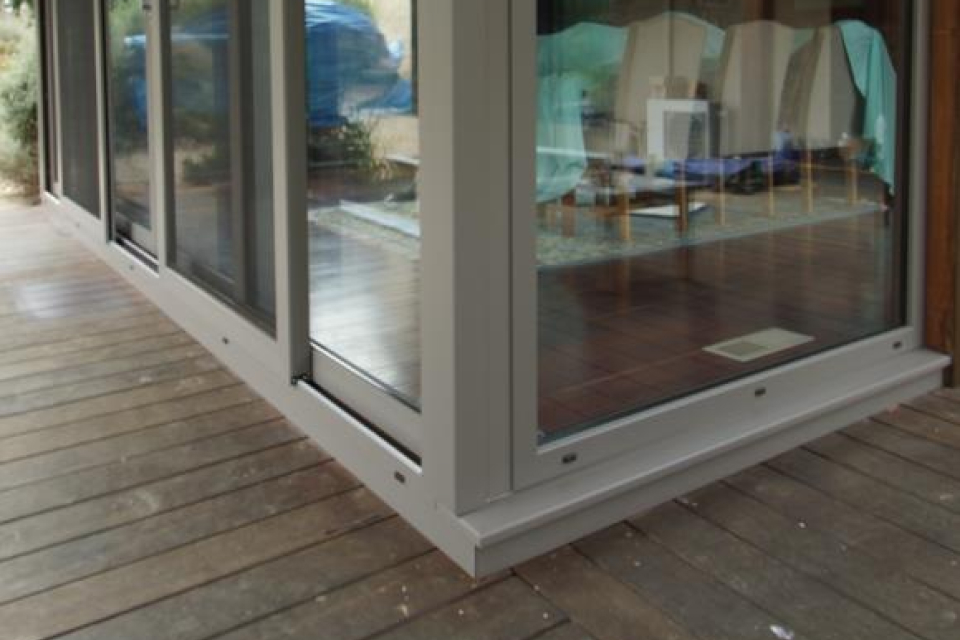
uPVC doors are constructed using a sophisticated design system with carefully manufactured components that work together to create a secure and energy-efficient door. They are put together by utilising a combination of:
- uPVC Material: This is the core component of the door, which is made from unplasticised polyvinyl chloride. It is extruded into hollow profiles that form the frame and sash of the door.
- Heat-welded corners: Unlike timber doors, uPVC doors are seamlessly joined at the corners using fusion welding, which creates a solid, airtight structure.
- Reinforced frame: Inside the uPVC frame is galvanised steel reinforcement. This adds structural strength, prevents bending or twisting, and improves security against forced entry.
- Multi-chamber profiles: A uPVC frame is designed with internal hollow chambers that trap air for insulation, improve energy efficiency and help keep homes more comfortable. The more chambers on a uPVC frame, the better the thermal performance.
- Weather seals: Rubber seals and gaskets are added around the frame and door edges to prevent water leaks during inclement weather. They block draughts and air gaps, keep dust and insects out, and improve thermal efficiency.
- Glazing options: Many uPVC doors include glass, such as double glazing, which is sealed to the sash to boost acoustic and thermal performance.
Advantages of uPVC doors
uPVC doors are popular as they offer a wide range of benefits. These are:
- Energy efficiency: uPVC doors are highly energy efficient, particularly when combined with double-glazed windows. The material of uPVC reduces heating and cooling costs because of its excellent insulation properties that help to maintain comfort all year round.
- Cost-effective: uPVC is generally cheaper than timber or aluminium doors and has less maintenance requirements.
- Weather resistant: This door type handles weather conditions like rain, wind and UV exposure extremely well. It is ideal for coastal or high-humidity areas and does not swell or crack with temperature changes.
- Long-lasting colour retention: uPVC retains its original colour over time without fading, yellowing or becoming dull. As exterior doors are directly impacted by the weather or exposed to sunlight, colour stability is an important feature of a uPVC door.
- Noise reduction: This type of door provides natural sound insulation compared to many traditional timber or basic aluminium doors, particularly when combined with the right glazing and installation.
- Long lifespan: Unlike timber, which can rot or untreated metals that corrode, uPVC doors are engineered to have a long lifespan. High-quality systems typically last 20-30 years or more when properly manufactured and maintained. It withstands harsh weather conditions and daily wear over long periods of time.
- Sustainability: uPVC can be recycled and used for the manufacture of new windows and doors. This helps to reduce waste and make better use of existing resources. uPVC windows and doors also have a long service life, which reduces the need for frequent replacements.
Types of uPVC Doors
uPVC doors are highly customisable and manufactured in many different styles. Because uPVC is reinforced with internal steel, it can support heavy double-glazed windows across all designs, styles and functional needs. The main types of uPVC doors commonly used are:
- Entry and swing doors: This is the most common uPVC door used in main entrances. They open inward or outward on hinges and provide strong security with multiple locking systems. This type of door often features solid panels with glass inserts.
- French doors: This double door style adds elegance and natural light and often includes large glass panels. French doors can open outwards or inwards and often open from the centre. They provide wide access to outdoor areas. French doors are often used for access to patios. In architect-designed homes, they are sometimes used internally.
- Sliding and stacker doors: This type of door is most popular in modern homes and slides horizontally along a track. Sliding and stacker doors do not require swinging space, which saves room. They often have glass panels that allow for maximum natural light.
- Tilt and turn doors: This European-style door features a dual operation. The door can either tilt inward at the top or swing entirely outward like a standard door.
- Tilt and slide doors: A hybrid design, this type of door combines ventilation and sliding functionality. They slide horizontally for full access while tilting for airflow without fully opening.
- Lift and slide doors: A premium uPVC door system, lift and slide doors are designed for large openings. The handle lifts the door slightly off the seal for smooth sliding and also provides excellent insulation when closed.
- Bifold doors: This is the most popular type of uPVC door system that has multiple panels that fold back like an accordion. This type of door can open up an entire wall space and is ideal for creating a seamless outdoor-indoor living flow.
uPVC Doors Colours and Finishes
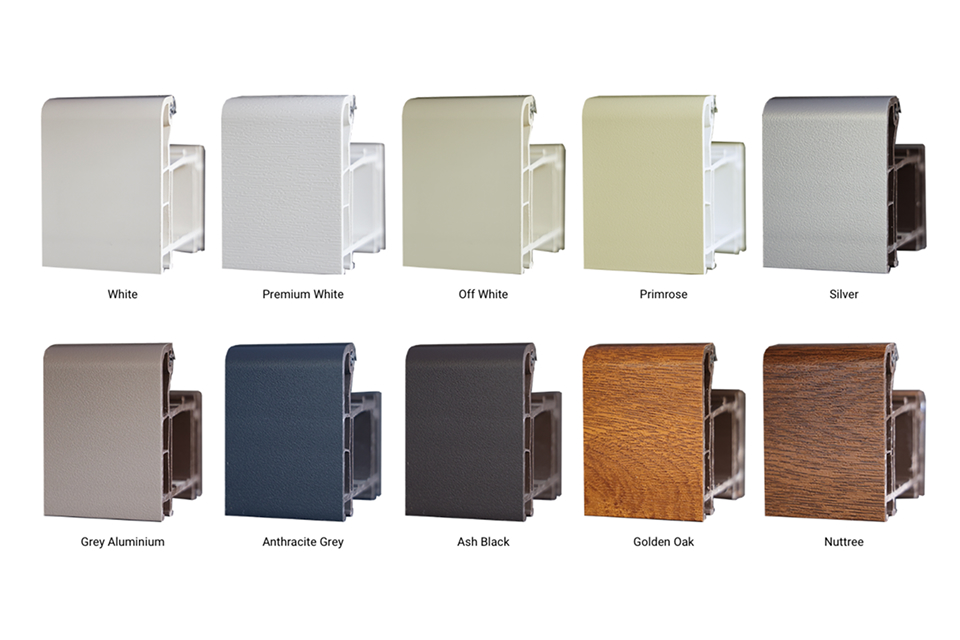
uPVC doors are available in a wide range of colours and surface finishes, which makes them suitable for both modern and traditional homes. Homeowners can choose from realistic timber-looking finishes to colours and metallics for premium decorative finishes. The variety of uPVC door colours and finishes is achieved through advanced surface treatments such as lamination, foils and UV-resistant coatings that bond with the uPVC profile. The main types of uPVC door colours and finishes are:
- Wood effect finishes: This finish is designed to replicate the appearance of natural timber while maintaining the benefits of uPVC. Wood effect finishes can mimic oak, walnut, mahogany or cedar. They are created using textured laminated foils and provide a realistic wood grain appearance. They require no sanding, painting or staining.
- Opaque colour finishes: These are the solid uniform colours applied across the uPVC surface. They have a clean and consistent appearance with no visible texture variation or grain. Opaque colour finishes are ideal for modern, minimalist homes.
- Coloured finishes: Coloured uPVC offers a broader palette than standard neutrals, with shades such as grey, charcoal, navy and green. Coloured finishes can be applied using durable foil lamination or coating systems that are UV stabilised to reduce fading over time. Coloured finishes can be matched to house facades and window frames.
- Metallic look: This modern look mimics brushed silver, aluminium or steel effects. It is often used in contemporary homes and commercial buildings for a sleek, high-end aesthetic.
- Matte and smooth: This finish reduces shine for a soft, modern look. Matte and smooth effects provide a clean and polished surface that is resistant to smudges and fingerprints.
How uPVC Doors Compare to Other Door Types
To understand the features of uPVC, it is important to compare it to other door types such as timber, aluminium and composite. Each material has its own strengths and weaknesses, depending on the style of home and performance expectations. The key differences between each door type are:
| Door type | Energy efficiency | Maintenance | Cost | Primary advantage |
| uPVC | Excellent. Naturally insulating material that prevents heat transfer and reduces noise | Very low maintenance. Easy wipe-down cleaning | Generally affordable, particularly compared to other types | Best all-round performance for cost, insulation and low maintenance |
| Timber | Good. A natural insulator, although thermal performance depends on wood type | High – requires painting, sealing and repairs | High due to material and maintenance | Natural premium aesthetic and traditional appeal |
| Aluminium | Poor to good. Standard aluminium conducts heat and cold easily | Low to moderate – occasional cleaning and hardware check | Moderate to high depending on system | Sleek, modern design with strong structural strength |
| Composite | Good to excellent. Designed with multiple materials for insulation | Low to moderate – generally requires less maintenance than timber | Moderate to high depending on system | Strong, durable construction with a range of styles |
uPVC doors are durable, energy-efficient and low maintenance options for external and internal doors. Crafted from unplasticised polyvinyl chloride, they come in a variety of colours and textures to suit all types of homes. As a reputable and reliable alternative to traditional timber or aluminium doors, customers are investigating uPVC more and more all the time.
Choosing the right door is more than appearance, it’s also about long term comfort, security and value for the home. The right type of door can make a difference to how the home performs and feels every day. uPVC doors stand out as cost-effective, practical choices for modern homes that won’t rot, warp, or conduct heat and cold like traditional doors have in the past. With a wide range of styles, colours and finishes available, uPVC doors can be tailored to suit both contemporary and traditional homes. Whether you are renovating, building or simply replacing old doors, the team at Windows for Life can advise on the right type of door for you with detailed knowledge of uPVC and the variety of options available.
Google Rating
Based on 73 reviews
