

With such a wide variety of window frames to choose from, it can be difficult to know which is best for your home. uPVC is a popular choice because of its cost-effectiveness and impressive energy efficiency. Other options include timber, which offers a classic look but requires high maintenance to safeguard its appearance. Vinyl is another common window frame option that’s highly affordable but suffers from lower durability.
Selecting the right window frame is just as important as choosing the type of window for your home. This choice can affect the aesthetic of your home, as well as its energy efficiency and functionality. Each of these window frames have their own strengths and weaknesses, and by understanding them, you can feel better prepared to make the right decision.
What are Window Frames?
A window frame is the structural enclosure that holds a window in place. It provides a secure and stable structure for window panes, integrating them into the building design. Beyond the aesthetic benefits, frames play an important role in a window’s energy efficiency, providing insulation and improving the comfort of your home.
They are typically composed of multiple components such as the sill, jambs and head. Window frames can be made from various materials such as uPVC, aluminium, wood, vinyl and fibreglass, each with their own unique characteristics.
Window Frame Types
uPVC
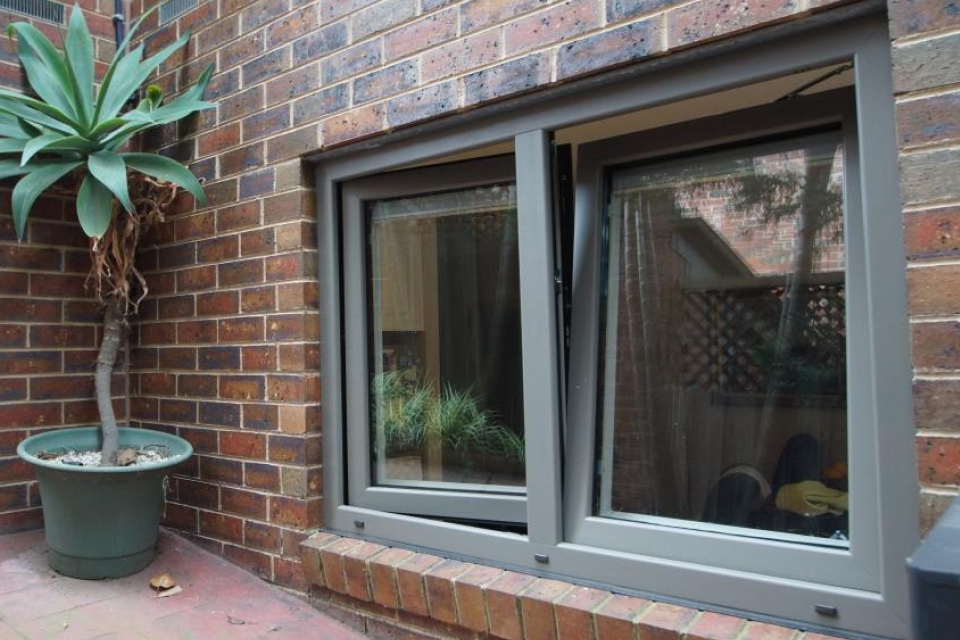
uPVC (un-plasticised polyvinyl chloride) is a contemporary window frame that is incredibly popular in Australia due to its impressive insulation, energy efficiency and affordability. They are made from PVC (polyvinyl chloride) with the chemical plasticisers removed. The plasticisers are what makes the PVC soft and flexible, with uPVC made from tough modifiers to make it stronger and more durable.
Pros
- Energy efficiency: uPVC is naturally a good insulator, meaning its material frame helps to prevent heat loss in colder months and heat gain in warmer months. This makes uPVC a great choice for homes looking to reduce their energy bills and maintain a comfortable temperature.
- Low maintenance: uPVC frames don’t need painting, sealing or varnishing, making them extremely low maintenance with minimal requirements for upkeep.
- Durability: uPVC is highly durable and naturally resistant to any extreme weather conditions. If you live in a region with bright sunlight or moisture, uPVC window frames won’t fade, rot or warp over time. A good quality uPVC window frame can last for over 20 years.
- Affordability: Popular for their cost-effectiveness, uPVC windows are typically more affordable than other window frame materials, such as aluminium or timber.
Cons
- Less aesthetic choices: uPVC has limited customisability, particularly when compared to aluminium or timber frames. There are only a limited number of colour options available, which can increase the cost of your installation. Homeowners may also prefer the timeless look of timber or the sleekness of aluminium.
- Structural limitations: For homes with very large windows or specialised architectural designs, other window frames such as aluminium may be better suited than uPVC due to their impressive strength.
Vinyl
A vinyl window frame is constructed from polyvinyl chloride (PVC), a strong, weather-resistant plastic material. They are popular due to their affordability, durability and customisation with a wide range of styles.
Pros
- Affordable: Vinyl window frames fall at the lower end of the price point and are incredibly popular for budget-conscious households.
- Durable and low maintenance: Vinyl frames are incredibly durable and resistant to bending, peeling, and cracking. Because the frame’s colour goes all the way through, it’s resistant to deterioration over time, making it practically maintenance-free. They don’t require painting and resist moisture, making them perfect for humid environments.
Cons
- Thermal expansion: When exposed to extreme heat or direct sunlight, vinyl does tend to warp. Over time, vinyl may also expand and contract when exposed to changing extreme temperatures.
- Limited customisation: Vinyl frames are difficult to paint because the polyvinyl chloride is basically plastic, which naturally resists paint and makes it hard to stick. Applying paint directly can ruin the vinyl frame, unless carried out properly with a thorough clean and choosing 100% acrylic or latex paint.
Composite
A composite frame is constructed from two or more materials, typically a combination of timber, vinyl or aluminium. Homeowners will commonly choose a composite frame constructed from timber for its insulation and appearance, with aluminium cladding added for durability and resistance to rot. Combinations can depend on the manufacturer, so please reach out to the experts at Windows For Life if you have any questions on the right composite frame for you.
Pros
- Less maintenance than timber: A composite frame can be a smart alternative to timber because, although it has a wood-like appearance, the added durability of other materials, such as vinyl and aluminium, means it doesn’t require as much maintenance as normal timber to prevent rot or warping.
- Flexibility: A composite frame is extremely flexible in its design, with a range of styles and benefits that can be altered depending on the materials used.
Cons
- High upfront costs: Because of the complexity in manufacturing, composite window frames are generally more expensive than other variants, such as uPVC or vinyl.
- Weight: Compared to more traditional materials, such as vinyl or aluminium, a composite frame is generally heavier due to the combination of materials. This may complicate the installation process, requiring more robust handling that makes them less suitable for older homes with weaker wall structures.
Steel
Steel frames are a traditional frame material that is built for strength and has historically been used for industrial settings. They are typically made from galvanised or powder-coated steel with impressive durability, fire-resistant and security features. Steel window frames are a premium choice for homeowners.
Pros
- Security: Because of the robust material, steel frames provide excellent security and are among the most robust and hard-to-break options available. Therefore, for homeowners looking for frames that are inherently strong and resistant to forced entry, a steel frame is a great choice.
- Lasts for decades: Because the steel material is resistant to warping, rotting and insects, they have impressive durability and can last for well over 100 years.
- Fire-resistant: Steel frames are popular for fire-rated applications because steel is non-combustible and has a high melting point, which makes it heavily resistant to high temperatures.
Cons
- Expensive: Steel window frames are one of the most expensive options in Australia. The manufacturing process for steel frames involves precise engineering, which contributes to the higher price. However, homeowners should factor in their impressive lifespan when considering the upfront costs.
- Heavy: Steel window frames are heavier than other types, which can create challenges during installation and may require additional structural support.
Timber
Wooden or timber window frames take on a traditional look that can be perfect for historical or classical homes. They are usually divided into multiple categories depending on the type of wood, with oak, pine, mahogany, and many others commonly used, with their own unique properties.
Pros
- Unique appearance: Homeowners love timber frames because of their timeless appearance. By using traditional materials, they can achieve a warm, rustic look that makes them ideal for older houses.
- Insulation: The natural wood of a timber window frame has naturally strong insulation properties and can help maintain a comfortable indoor temperature.
- Customisation: Timber frames are highly customisable and can be installed in many different styles. For example, different types of wood can achieve unique looks, and can be easily stained or painted in various colours.
Cons
- High maintenance: Timber frames require much more maintenance work than other types because they are vulnerable to rot, pests and warping. This includes regular painting, staining and treating to prevent any degradation.
- Cost: Timber is generally more costly to buy than other window frame types. This includes not just the initial price, but also the ongoing costs due to extra maintenance.
Aluminium
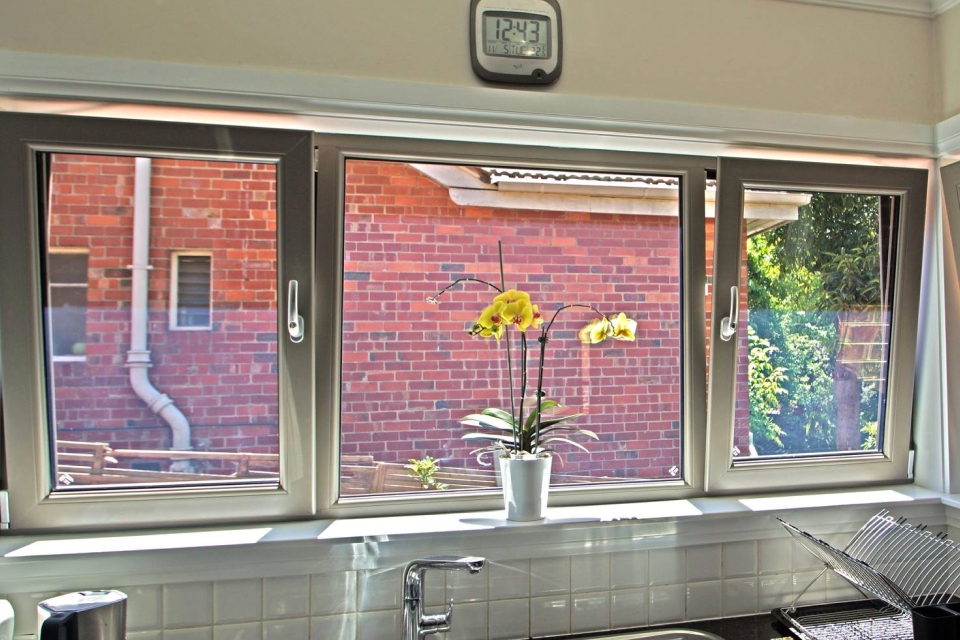
Strong, lightweight and contemporary, aluminium window frames are a popular choice for modern homes. Because of their lightweight characteristics, they suit large windows and floor-to-ceiling glass, and can be installed in various styles and finishes.
Pros
- Lightweight and strong: Aluminium frames are both exceptionally strong and lightweight. Their lightweight design makes them easy to install and handle, while their strength helps them support larger windows and withstand any extreme weather conditions.
- Modern-looking: Aluminium is synonymous with a sleek aesthetic. This is due to its impressive strength, which helps to support a slim frame profile. The frames appear much thinner than other popular options, such as timber or uPVC, offering an unobtrusive look that complements contemporary designs.
- Budget-friendly: They are also an affordable option, typically costing less than timber, composite and some uPVC frames. This makes them a great choice for a budget-friendly household.
Cons
- Poor insulation: Because aluminium is an excellent conductor of heat, it can suffer from poor thermal insulation. This means you’ll have to spend more on heating and cooling appliances. However, this can be improved with thermal breaks that reduce heat transfer.
- Condensation: Because of its poor insulation, the exterior of an aluminium window frame is more likely to suffer from condensation. This can increase moisture levels, which leads to mould and rot.
Fibreglass
A fibreglass frame is made from a blend of resin that is reinforced with glass fibres. With the fibres adding strength, and the resin promoting rigidity and resistance to environmental conditions, fibreglass frames are incredibly durable and robust.
Pros
- Durability: Fibreglass window frames offer exceptional durability. This quality comes from the glass fibres, which ensure maximum strength, and unlike other materials, they are not easily scratched or damaged, with excellent resistance against environmental conditions.
- Energy efficient: Fibreglass has extremely low thermal conductivity, which provides impressive insulation. Unlike aluminium frames, it does not conduct heat or cold, which helps to reduce energy costs on utility bills.
Cons
- Expensive: Manufacturing for fibreglass frames is complex and involves pulling glass fibres through resin. This makes them substantially more expensive than other frame materials, such as timber or vinyl.
- Less widely available: Because of the complex manufacturing process, fibreglass frames are less widely available than popular frame types, such as timber, uPVC or vinyl. They are also a relatively new product for residential homes that not every window installer may have, requiring homeowners to place custom orders that increases wait times.
How To Select the Right Window Frame
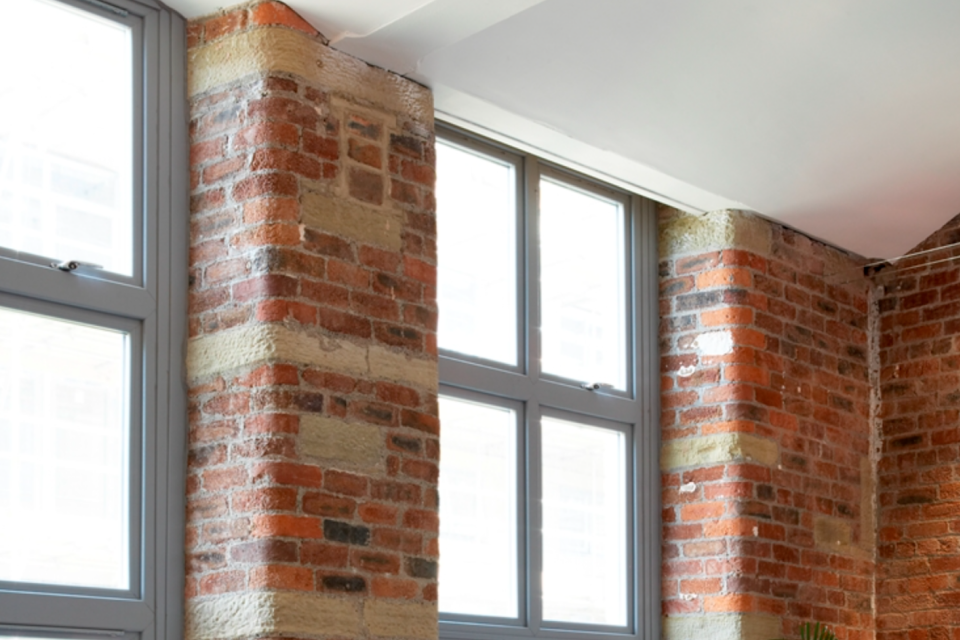
The best window frame for your home will depend on factors such as your budget, climate and the style you’re looking for. Consider the following factors for selecting the right frame:
- Climate: We recommend choosing a window frame that’s tailored to the climate you’re in. Homes in humid or coastal regions, such as Queensland and the Northern Territory, will need frames that are resistant to moisture and deterioration, such as aluminium or uPVC. For colder southern climates, including Victoria and Tasmania, we recommend frames such as timber or fibreglass that help prevent heat loss with impressive insulation.
- Energy efficiency: To increase savings, you’ll likely want to minimise the costs of heating and cooling appliances. Therefore, window frames that maximise energy efficiency can be prioritised to keep your home comfortable all year round. Fibreglass and uPVC are renowned for their excellent insulation properties. On the other hand, aluminium frames are a natural conductor and don’t insulate as well as other materials.
- Maintenance: You should consider the amount of time and money you will need to invest in a window frame over time. Some frame materials will require more upkeep than others. Timber frames are high maintenance, because they require regular painting, sealing and treating to prevent rot. Low-maintenance options include vinyl, fibreglass and aluminium, as they need minimal upkeep to maintain performance levels.
- Budget: Your budget will heavily dictate the type of window frame, as costs can vary depending on the material. Timber and fibreglass will typically be the most expensive, while other materials, such as vinyl and aluminium, are more affordable. However, it’s also important to consider lifespan when weighing up cost, as both timber and fibreglass last longer and are more durable than other frame materials.
- Aesthetics: Different frames offer unique aesthetics, making it important to select a material that fits with the architectural style of your home. Older homes may look better with a timber or wood-clad frame that offers a traditional, classic look. Modern homes may prefer fibreglass or uPVC frames, with their sleek design and minimalist appearance.
By understanding the various window frame options available, you can ensure you choose the perfect type for your next project. The right window frame can make your home more comfortable, increase your savings and fit into any architectural style. For further information, please reach out to the experts at Windows For Life.

Google Rating
Based on 72 reviews
