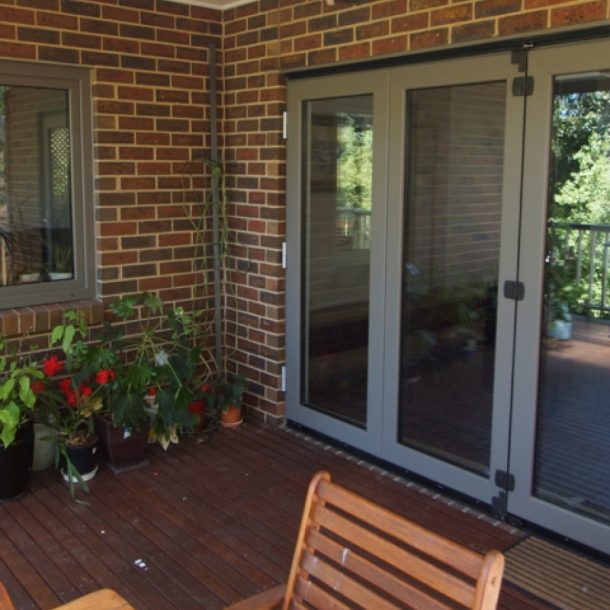

Timber and uPVC are two of the most commonly used window options for homes. This is for good reason, as both materials have distinct advantages that can make choosing between them a difficult task.
For most modern builds, uPVC will be the preferred choice. This is due to their lower costs with exceptional thermal insulation and low maintenance requirements. While timber has a classic, elegant appearance that makes it a perfect choice for older, heritage properties, its high maintenance requirements can be a challenge for homeowners. The right choice will depend on what matters to you, weighing up thermal efficiency, maintenance, lifespan and appearance.
What Are Timber Windows?
Wooden or timber windows take on a traditional look that can be perfect for historical or classical homes. They are usually divided into multiple categories depending on the type of wood, such as oak, pine and mahogany, with their own unique properties. They are popular for their excellent insulating properties that can improve a home’s energy efficiency and noise reduction.
What Are uPVC Windows?
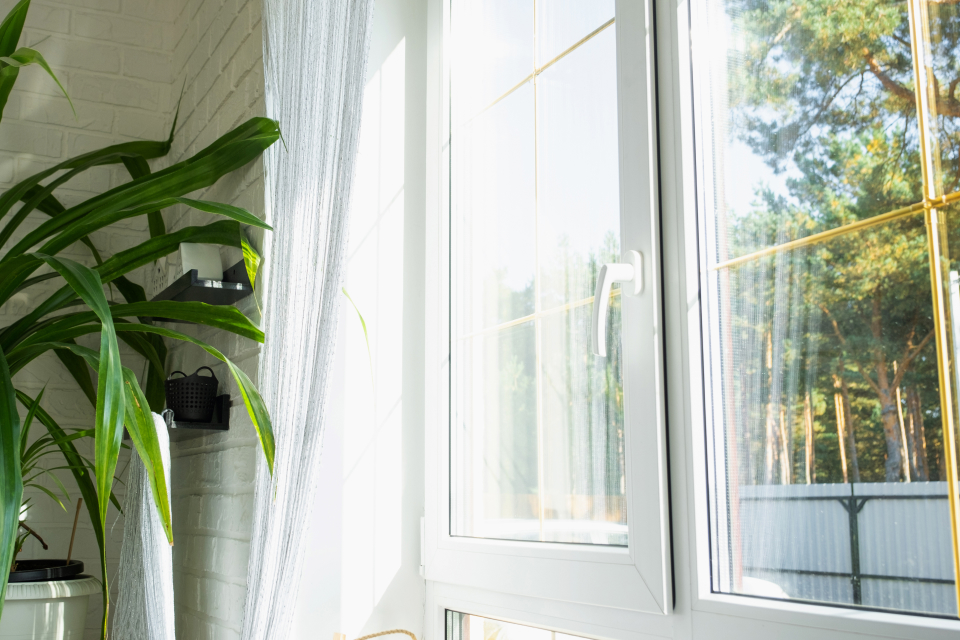
uPVC (un-plasticised polyvinyl chloride) is a material used for modern window frames that’s incredibly popular in Australia due to its impressive insulation, energy efficiency and affordability. They feature frames made from PVC (polyvinyl chloride) with the chemical plasticisers removed. The plasticisers are what makes the PVC soft and flexible, with uPVC made from tough modifiers to make it stronger and more durable.
Key Factors to Compare Timber and uPVC Windows
The following factors are essential to consider when comparing timber and uPVC windows:
Aesthetic appeal and design flexibility
Aesthetic considerations are an important factor for any household, and timber and uPVC have two very different approaches.
Timber offers a traditional look that brings warmth and natural beauty to a home. They are especially well-suited to heritage properties or period-style homes. Timber lends itself well to a range of customisation options, and can be painted or stained to virtually any colour to match existing architecture. This aesthetic is also difficult to fully replicate with other materials.
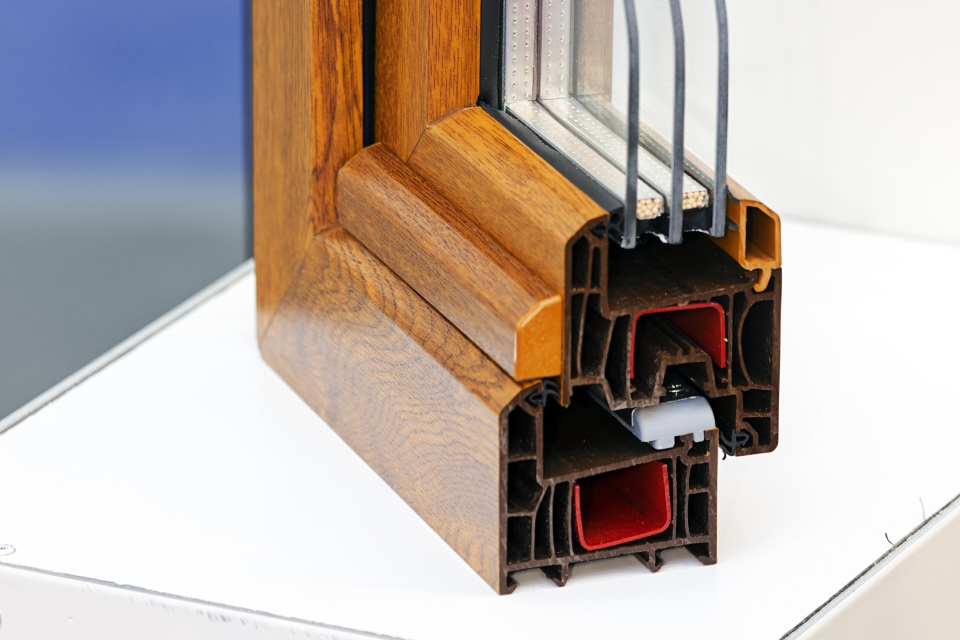
While uPVC doesn’t have the same character as timber, it still offers a modern appearance that can work well for newer home builds, offering clean lines and refined aesthetics. While traditionally bought in white, modern advancements have expanded this to a range of colours and finishes, which even includes wood grain effects to mimic the timber look.
Ultimately, though, aesthetics will come down to your own personal taste.
Cost considerations
uPVC windows are typically the more cost-effective option than timber windows, and are significantly more affordable upfront. Timber windows usually come at a higher price due to the cost of premium materials and skilled craftsmanship. Ongoing maintenance and repainting will only add to the lifetime cost of ownership.
uPVC is a much more cost-effective choice, with initial costs approximately 40% to 60% less than timber. This is largely due to the efficiencies of mass production, helping to keep costs per unit incredibly low. They can also save money with lower maintenance requirements and strong energy efficiency, reducing the need for heating and cooling appliances.
Maintenance
This is where uPVC really shines, as it requires very little maintenance to keep it looking clean and functioning well. They don’t require any regular painting or resealing, and only occasional cleaning with soap and water. This makes a uPVC window the perfect choice for busy households searching for a low-maintenance solution.
Timber will generally be more high-maintenance, requiring periodic sanding, repainting or resealing for protection against moisture and UV damage to maintain its appearance and functionality. This can add significant cost and time, although many homeowners may find that this process is straightforward when carried out on a regular basis.
Durability and lifespan
uPVC windows are renowned for their exceptional durability and resistance to extreme weather conditions. They can resist direct UV sunlight, moisture and temperature fluctuations with ease, and don’t rot, rust or corrode. While proper installation is critical, you should expect uPVC to last between 20 and 35 years before they begin to show significant wear.
The lifespan of timber windows is impressive, as they can last considerably longer than uPVC windows, at more than 60 years. The key difference is that timber requires routine maintenance to ensure its lifespan, as it’s more susceptible to rot, warping, and damage. On the other hand, uPVC can meet its lifespan with very little maintenance.
Security
Both uPVC and timber can be fitted with high-quality locking mechanisms that meet current security standards in Australia. Modern uPVC windows support multi-point locks that engage the frame at several points simultaneously. uPVC also contains an internal galvanised steel core that provides a high level of protection.
Timber windows are naturally dense and robust, making it difficult to force open for potential intruders. However, its strength can degrade or warp over time due to environmental factors.
While neither option is particularly vulnerable, uPVC is likely the superior choice for security with its modern technology and resistance to degradation.
Thermal performance and energy efficiency
Both timber and uPVC can excel at insulation, to keep your home warm in winter and cool in summer, reducing heat loss and lowering energy bills.
Because wood is a natural insulator, timber performs well at reducing the transfer of heat through the frame. However, gaps and cracks can develop over time in a timber frame, making regular maintenance an essential step to sustaining its insulating qualities.
While uPVC isn’t a natural insulator, it is engineered with internal air pockets and thermal breaks that can match, and sometimes exceed, the thermal performance of timber windows. Furthermore, uPVC requires virtually zero maintenance to retain its energy efficiency.
While both options provide excellent thermal performance, high-quality uPVC windows with double-glazed glass will generally deliver more consistent energy efficiency.
Soundproofing
When it comes to reducing noise, timber can provide exceptional soundproofing qualities. This is because the natural density of timber helps to dampen sound waves, making it the perfect choice for those living near busy roads, flight paths or commercial areas. While uPVC delivers excellent soundproofing, it’s generally less effective than timber due to its lower density and lightweight plastic composition.
Importantly, the overall design and glazing specification will likely have a much greater influence on acoustic performance. For example, incorporating double-glazed windows to both timber and uPVC windows is usually the preferred solution to maintaining your home’s peace and quiet.
Environmental impact
Timber is a renewable material that traps carbon dioxide (CO₂), meaning it typically has a lower carbon footprint through production than uPVC. Although it is a natural material, timber is treated with primers, fillers, glues and wood preservatives that impact the environment.
uPVC is a synthetic, plastic material with an energy intensive production that generates significant greenhouse gas emissions, particularly during the manufacture of vinyl chloride monomer (VCM) and PVC resin. However, modern manufacturing has significantly reduced the carbon footprint by incorporating recyclable materials.
While modern advancements in uPVC are closing the gap, timber remains the better choice for the environment.
Airtightness
Airtightness refers to how well a window can prevent air from leaking around the frame and opening sashes. This is an important factor because it directly affects energy efficiency and overall comfort.
uPVC windows will be the superior choice for this area, with their excellent structural integrity and durability, meaning they can hold their shape consistently over time to maintain a tight seal. On the other hand, timber has a tendency to expand and contract with changes in temperature that may cause gaps to form around seals over time, which reduces its airtightness.
Weight
Timber windows are usually heavier than uPVC, which should be an important factor when it comes to assessing the structural requirements and ease of installation. Heavier window frames put greater demand on hinges, stays, and strain on the surrounding wall. Because uPVC is generally lighter and puts less stress on your home’s structural integrity, this can lead to a more straightforward installation.
Timber vs uPVC: Which Is the Better Choice?
The final decision between timber and uPVC windows will depend upon your individual budget, style of home, and the features or qualities you prioritise most in a window.
Choose uPVC windows if:
You want a highly efficient, low-maintenance window at an affordable price. Offering the perfect appearance for modern homes, these windows won’t rot, warp or corrode, and can perform reliably with minimal upkeep. With their superior durability and superb lifespan, uPVC windows are a better choice for homes in high-humidity or extreme weather regions. With strong energy efficiency and thermal reduction, you can also significantly reduce your reliance on air conditioning and heating. If this sounds like the perfect choice for you, please reach out to the experts at Windows For Life.
Choose timber windows if:
You currently own a heritage or older home where maintaining character and architectural style are important considerations, and you love the unique aesthetic of wood. You should only choose timber if you are willing to invest more upfront, in exchange for a potentially longer lifespan, and you’re prepared to carry out more maintenance steps. If sustainability is a massive concern, you should also choose timber as it’s a renewable, low-carbon material.
Ultimately, across many practical considerations, the uPVC will be the superior choice. While it does have a shorter lifespan, its lower cost of entry, impressive durability and energy efficiency make it one of the most widely used window materials in Australia. If you’re ready to add uPVC windows to your home, contact the experts at Windows For Life for a quote today.
Google Rating
Based on 73 reviews
