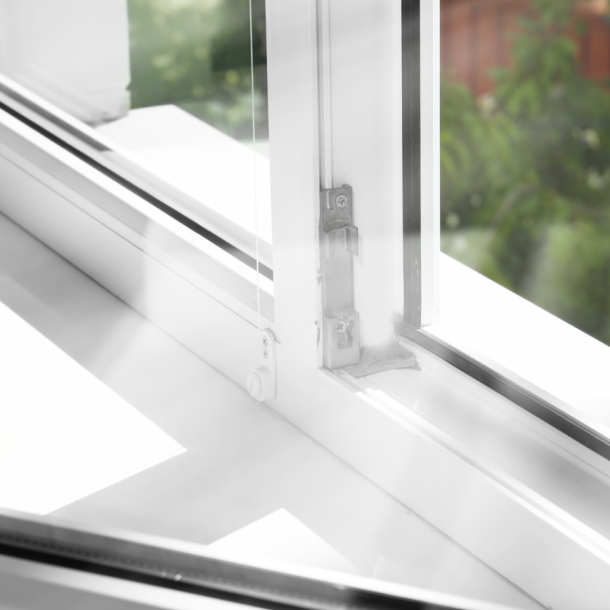

Low E glass and double glazing are popular, highly effective ways to insulate windows and doors. While both help keep heat in during winter and block it during summer, each uses different technology. Low E has a coating that blocks radiant heat and UV rays, while double glazing is a system with two panes of glass and a gas filled layer to slow down heat transfer. When combined the two technologies work together to create an advanced thermal barrier and yield the highest energy savings.
Why Glazing Matters
Glazing is the glass component in doors and windows that lets in natural light and fresh air. It is highly conductive compared to timber, steel or plaster on walls and has a significant impact on how much energy enters or leaves a home.
What is Low E Glass?
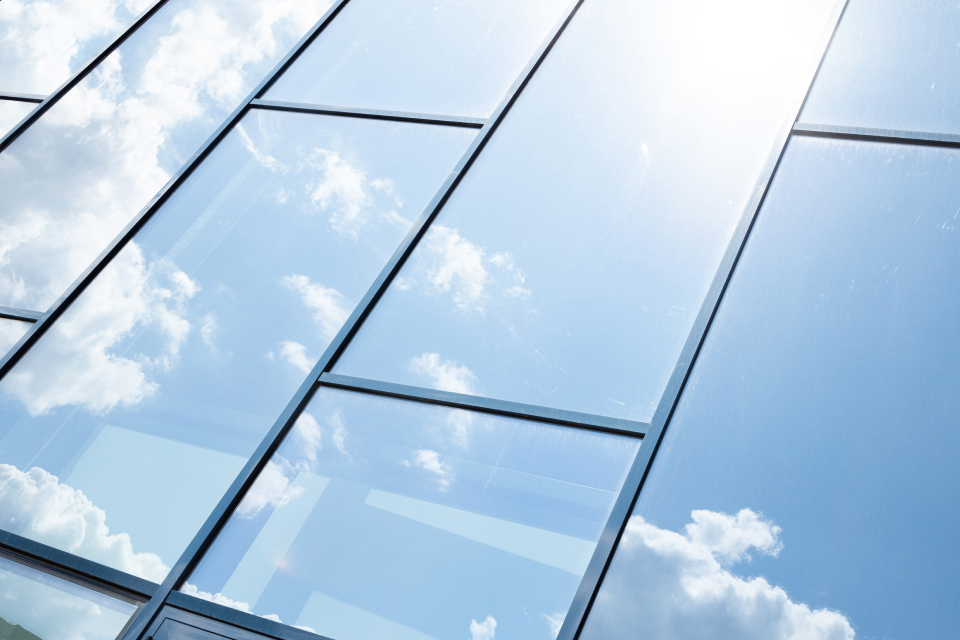
Low E glass is glass that has a microscopic, metallic coating which is designed to reflect thermal radiation and reduce light transference. Low E glass, also known as low emissivity, acts as an energy efficient barrier to keep a home cooler in summer and warmer in winter. Emissivity measures the materials ability to radiate absorbed energy. A standard pane of glass radiates a substantial amount of heat while Low E emits very little. There are two common types of Low E glass – hard coat and soft coat.
- Hard Coat Low E: This coating fuses onto the glass as it cools down. Hard coat Low E has a tough, robust finish and can be used in single glazed applications.
- Soft Coat Low E: This coating fuses onto the glass after it has cooled down. This type of Low E glass delivers significantly better insulation than hard coat products and performs best in double glazed windows.
Benefits of Low E Glass
- Energy efficiency: Reduces heat transfer through windows. During summer it reflects a significant portion of the sun’s heat away from the home, while in winter it stops the indoor warmth from escaping.
- Reduces power bills: By maintaining a stable indoor temperature and reducing the need for heating and cooling, power bills are reduced.
- Protects furniture: Low E glass can help protect the rate at which furniture fades as it absorbs UV radiation.
- Lets in natural light: Unlike tinted glass, Low E glass still allows natural light to come in.
What is Double Glazing?
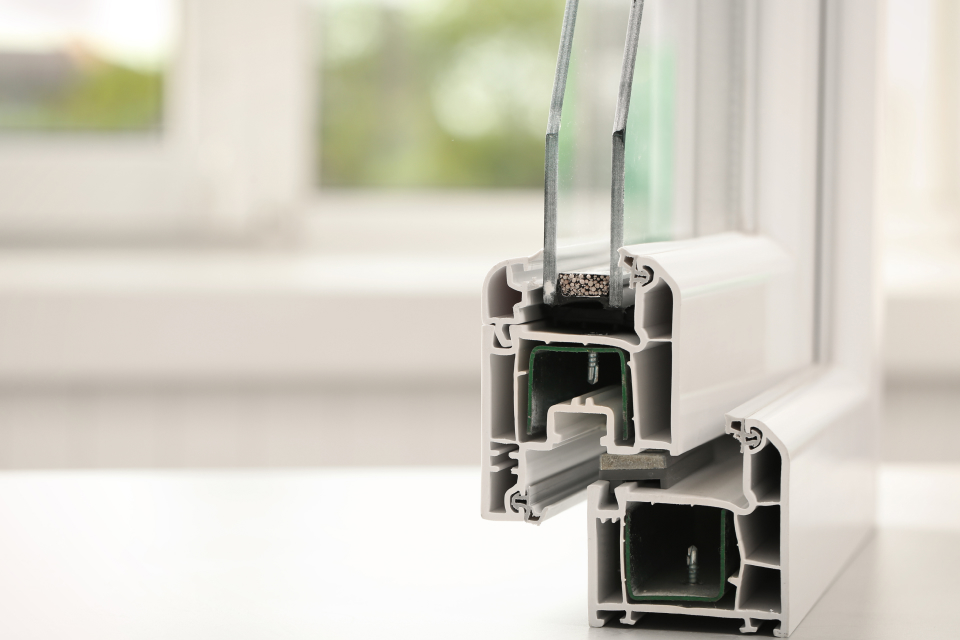
Double glazing is when a window features two panes of glass separated by a sealed cavity, filled with air or insulating argon gas. It is an engineering design solution that improves insulation and energy efficiency in the home. The structure with an outer pane, inner pane and sealed cavity, creates a powerful thermal barrier that slows down heat transfer.
Benefits of Double Glazing
- Energy efficiency: Double glazed windows have a myriad of benefits particularly its energy efficiency as they reduce the heat loss or heat gain by up to 30 per cent.
- Reduces power bills: As double glazed windows reduce the need for heating and cooling systems to work as hard, there is lower energy consumption and reduced power bills.
- Reduces noise transfer: Double glazing can reduce noise by up to 65 percent. In the same way it reduces heat transfer, the double panes of glass and insulating layer reduce noises such as outside traffic or voices.
- Less condensation: As the windows are designed using two layers of glass, double glazed windows reduce the occurrence of condensation.
- Increases property value: Property buyers are likely to spend more on properties with double glazed windows, knowing the cost of the windows and installation is already paid for, and energy bills will be reduced.
- Lets in natural light: Double glazed windows let in the same amount of natural light as other windows as there is no film across the window to impede light transference.
Key Differences Between Low E Glass and Double Glazing
The key difference between Low E glass and double glazing is the technology used. Both improve energy efficiency and comfort but they have a myriad of differences and ideal applications. These include:
| Feature | Low E Glass | Double Glazing |
| What it is | A coating applied to the glass | Two panes of glass separated by a gas filled insulating layer |
| Primary mechanism | Reflects radiant heat and UV rays | Slows heat transfer through insulation |
| Thermal comfort | Helps keep homes cooler in summer and warmer in winter | Provides insulation year round against temperature changes |
| Noise reduction | Provides minimal, if any, noise reduction | Significantly reduces outside noise |
| Condensation | Slight condensation reduction by keeping the glass warmer | Effective at reducing condensation due to the insulated cavity and double glass panes |
| Visible transmission | Allows natural light that may be reduced depending on the film coating | Does not impede natural light |
| Location/Climate | Good for hot climates, sunny regions and homes with large areas of glass exposed to direct sunlight | Good for both hot and cold climates and the double glazing structure reduces heat and cold transference both inside and outside |
Solar Heat Gain Coefficients and U-Values
To accurately assess the difference between Low E glass and double glazing, you need to take into account the solar heat gain coefficient and U-values. These two important measurements are commonly used to determine how effectively a window controls heat transfer and contributes to energy efficiency.
Solar Heat Gain Coefficient
The Solar Heat Gain Coefficient (SHGC) is the measurement of how well a window blocks solar radiation. A low rating means that less solar heat passes through the glass while a higher rating means more heat enters the building. A window with a SHGC of 0.30 allows approximately 30% of the sun’s heat energy to pass through and blocks the remaining 70%. The average clear single glazed window has a SHCG of between 0.70 to 0.80, while energy efficient windows use specialised glazing to produce a lower value of about 0.20 to 0.40.
U-Values
The U-value is the measurement of how much heat is lost through a window and uses the unit watts per square metred kelvin (W/m2.K). The lower the U-value, the better the window is at insulating the home from heat loss. A standard single glazed window’s U-value typically ranges from 4.0 to 6.0 W/m2K as it has minimal resistance to heat flow. An energy efficient window usually ranges from 0.8 to 3.0 W/m2K which is far superior for heat transfer resistance.
Low E Glass VS Double Glazing – Which is Best?
When comparing which is best between Low E glass and double glazing, both have their advantages so there is no clear winner.
Solar Heat Gain Coefficient
- How Low E Glass Performs: This type of glass is specifically designed to control solar heat gain. Its coating reflects a significant portion of the sun’s infrared heat while still allowing most of the natural light to pass through. As a result, Low E glass typically archives lower SHCG values than standard glass panes.
- How Double Glazing Performs: Double glazing reduces SHGC to some extent but it is more conducive to insulation rather than solar control. However, the second pane of glass in double glazed windows helps reduce the SHCG compared to standard single glazing.
U-Values
- How Low E Performs: Low E glass can help reduce U-values and improve thermal performance. However because it is a single pane of glass, it still has limited insulating capabilities.
- How Double Gazing Performs: Double glazing is specifically designed to improve insulation so has much lower U-values than single pane, Low E glass.
Combining Low E and Double Glazing
Combining Low E and double glazing improves window performance for all situations. When double glazed windows have a Low E glass film it optimises noise reduction and energy efficiency. A double glazed window fitted with Low E glass creates a highly effective shield against extreme temperatures, drafts, outside noise and still allows natural light into the home. When a Low E coasting is applied to one of the panes on the double glazed window, they target different methods of heat transfer simultaneously. The double glazing blocks conductive and convective heat while the Low E blocks radiant heat. By combining these two distinct barriers into a single unit, they provide the ultimate energy efficient glazing combination.
Glazing System Performance Comparison
| Glazing system | SHCG | U-Value |
| Single Glazed | 0.70 to 0.80 | 5.5 to 6.5 |
| Single Glazed with Low E | 0.25 to 0.60 | 3.5 to 5.0 |
| Double Glazed | 0.50 to 0.80 | 2.5 to 4.0 |
| Double Glazed with Low E | 0.20 to 0.45 | 1.2 to 2.5 |
Low E glass and double glazing are both technologies that help with energy efficiency using different methods. Low E reflects radiant heat while double glazing reduces heat transfer and outside noise. For energy efficiency, double glazing is the best option. However, if you want a cost effective alternative that can reduce the amount of solar energy entering the home, Low E glass is ideal. For all of your glazing needs, the team at Windows for Life can assist.

Google Rating
Based on 73 reviews
